The Stasi Files: The Berlin Occupation That Saved Them

The Berlin Stasi Files Citizen Occupation That Saved the Records
The Stasi files exist today because of a citizen occupation, not because the government preserved them. On 15 January 1990, roughly six weeks after the Berlin Wall fell, ordinary Berliners stormed the Ministry for State Security headquarters at Normannenstrasse 20 in Lichtenberg to stop the shredding. They went in knowing the Stasi was destroying evidence. They went in without police backing. They went in and took control of Haus 1. That single, improvised act is why the records still sit in Berlin: 111 linear kilometres of files, 16,000 sacks of torn documents, an estimated 45 million pages waiting for reconstruction. The occupation is the reason you can walk into a reading room on Ruschestrasse today and request your own file. Without that afternoon in January 1990, none of it would be here.
Stasi Records Berlin 1990: What the Citizens Actually Found
Inside The Shredding Operation
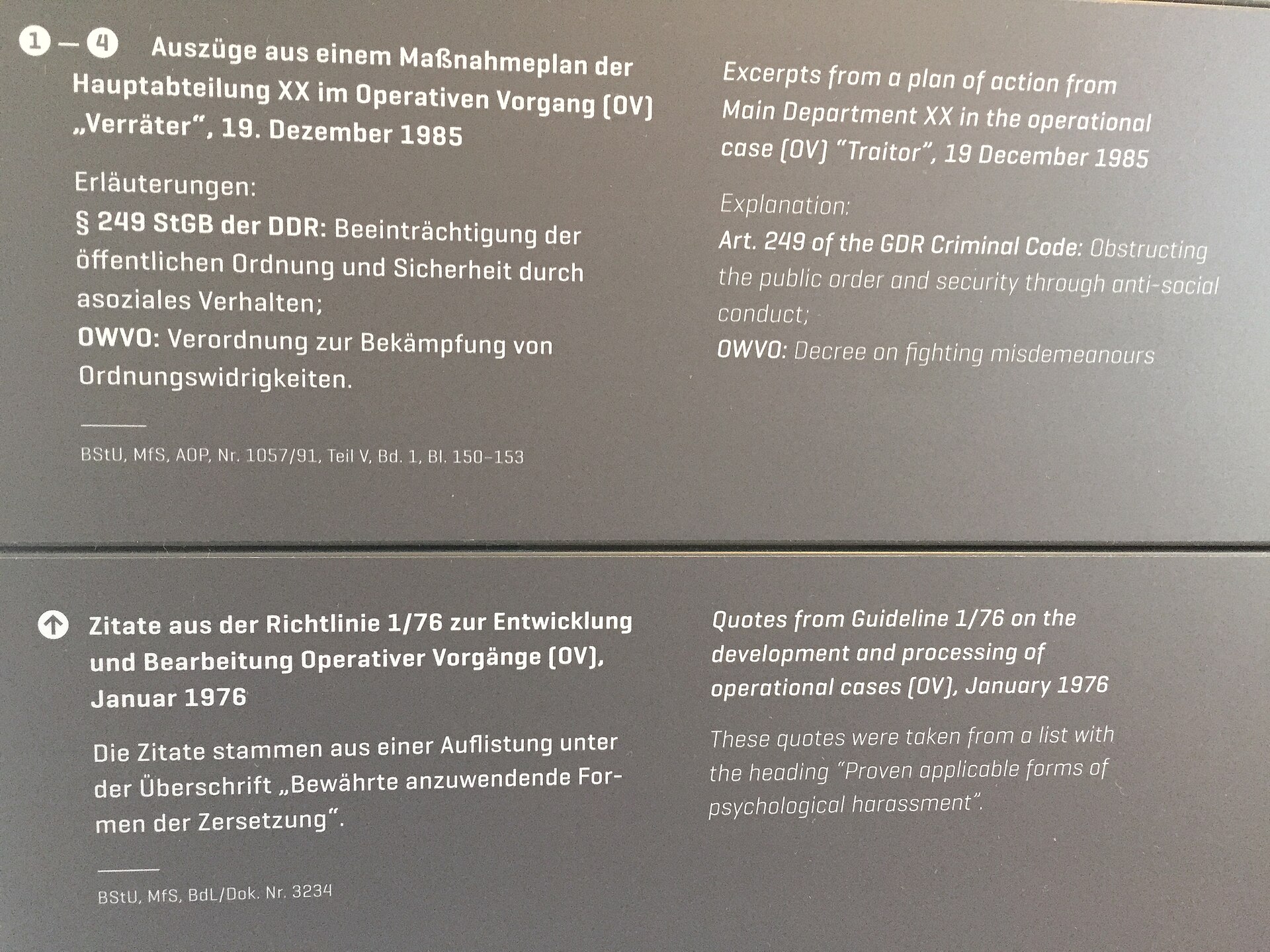
The Stasi headquarters on Normannenstrasse was not a secret location. East Berliners knew the address. What they did not know, until the autumn of 1989 forced open the doors of other state institutions, was the scale of the operation inside. The Ministry for State Security had been shredding files for weeks by January 1990. Erich Mielke, the long serving Stasi chief, had ordered the destruction. Staff worked in shifts feeding documents into industrial shredders. The noise was audible in the corridors.
The Occupation Of Haus 1
On 15 January 1990, a crowd estimated at several thousand surrounded the compound at Normannenstrasse 20. They pushed past guards who offered little resistance. Once inside Haus 1, they found rooms stacked with files, shredding machines running, and half destroyed documents spilling from paper bags. They stopped the machines. They seized what remained. The occupation lasted hours, not days, but it broke the Stasi's ability to continue the destruction. That evening, the citizens who entered did not burn the files. They protected them, storing them in the same offices where the Stasi had compiled them.
The action was not government sanctioned. The interim East German government had not ordered an occupation. The citizens acted on their own, responding to rumours that the shredding had accelerated. The files that survived that day represent the bulk of what the Stasi had not yet destroyed. The rest had already been burned or shredded beyond recovery before15 January.
BStU Stasi Archive Berlin: the Agency That Did Not Exist Before1991
From Occupation To Legal Institution
After reunification, the occupied files needed a legal home. The Stasi Records Act, passed on20 December1991 and in force from29 December1991, created the Federal Commissioner for the Stasi Records, known as the BStU. The Gauck Behörde, named after the first commissioner Joachim Gauck, operated from the Normannenstrasse site and from a purpose built archive on Ruschestrasse, a five minute walk from Haus1. The BStU held the files for30 years, managing access for victims of Stasi surveillance, researchers, and journalists.
On17 June2021, the BStU's operations transferred to the German Federal Archives. The files are now held by the Stasi Unterlagen Archiv, part of the Bundesarchiv. The name changed. The reading room address did not. The archive reading room remains at Ruschestrasse103, entrance via Normannenstrasse, in Lichtenberg. It is open Monday to Thursday09:0016:00 and Friday09:0014:00. Admission is free, but you must register in advance.
Requesting Your Personal File
If you want to see your own file, submit an Antrag auf persönliche Akteneinsicht online via bundesarchiv.de, by post, or in person. Foreign nationals need a completed application form and a copy of a valid passport or identity card. At the reading room, present the original passport. Processing takes4 to8 weeks. Access to personal files is free. Research or media requests follow a fee schedule published by the Bundesarchiv that varies by request type.
Stasi Headquarters Normannenstrasse: What is Left to See
The Stasi Museum In Haus1
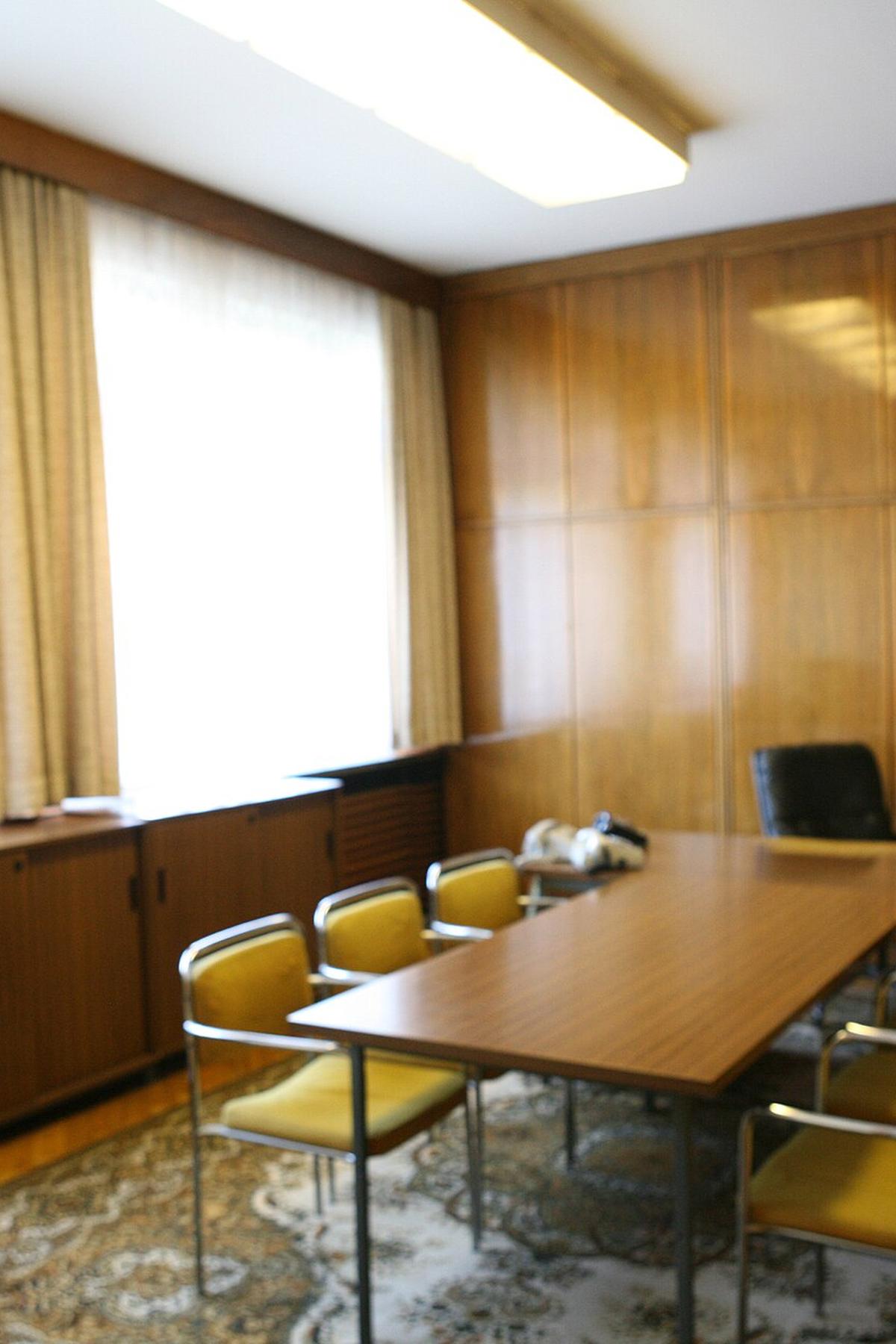
The compound at Normannenstrasse20,10365 Berlin Lichtenberg, is not a preserved time capsule. Haus1, the main administrative building, now houses the Stasi Museum, operated by the ASTAK e.V. association. It is a working museum, not a government archive. The rooms have been left largely as they were in1989: Mielke's office, the conference room, the corridors where the citizens walked. The museum is open Monday to Friday10:0018:00, Saturday, Sunday and public holidays11:0018:00. Admission is free.
The museum sits inside the same building the citizens occupied. Stand in the space where the shredding machines ran, where the paper bags were stacked, where the decision to stop the destruction was made hour by hour. The museum makes no attempt to polish the story. The furniture is original. The telephones still sit on the desks. The carpet in Mielke's office is the same grey green that covered the floor when he gave orders to destroy the files.
Getting There And What To Know
To reach Normannenstrasse, take the U5 to Magdalenstrasse and walk five minutes. The S Bahn stop at Lichtenberg is ten minutes on foot. There is no ticket office at the museum. Bring cash for the small shop. The site is in a residential area of Lichtenberg. There are few restaurants nearby. Plan to eat before or after.
Rosenholz Files Berlin: the Missing Index
The Rosenholz files are a separate collection of Stasi microfilm smuggled out of Berlin by a BStU employee in1990 and sold to the CIA. The files contain an index of Stasi agents and contacts in the West. They resurfaced publicly in1999 when the German government negotiated their return. The microfilm strips, covering index cards, were handed back. The Rosenholz files are now held in the Stasi Unterlagen Archiv at Ruschestrasse. They are accessible to researchers but not searchable online. The Rosenholz name, German for rosewood, came from the code name used during the CIA purchase.
The Torn Files:16,000 Bags Waiting for Reconstruction
What The Shredders Left Behind
The citizens who entered Haus1 on15 January1990 saved the files that were still intact. But the Stasi had already shredded millions of pages after1989. The shredded documents were bagged and stored. The total is roughly16,000 sacks, containing an estimated45 million torn pages. The reconstruction project, called the Rekonstruktion zerrissener Stasi Unterlagen, ran as a pilot and concluded in2021. Automated reconstruction using high resolution scanning and pattern matching has not been implemented at scale. The bags sit in the archive. Hand reconstruction is too slow for the volume. The project proved that it is technically possible to reassemble the documents, but the funding and technology for full scale work does not exist as of2026.
Can You See The Torn Files?
The torn files are not on public display. They are stored in the archive building on Ruschestrasse. You cannot walk in and see them. Visit the museum and you will see photographs of the bags and the shredding machines, but not the paper itself.

How to Access Your Own File at the Stasi Archive
Accessing Your Personal Stasi File
StepDetailsApplication formAntrag auf persönliche Akteneinsicht, available at bundesarchiv.deSubmit viaOnline, post, or in person at the reading roomDocuments requiredCompleted form, copy of valid passport or IDAt the reading roomBring original passport for verificationProcessing time4 to8 weeksFee for personal fileFree of chargeReading room addressRuschestrasse103,10365 Berlin LichtenbergReading room hoursMon Thu09:0016:00, Fri09:0014:00RegistrationRequired in advance
What Most Visitors Get Wrong
The most common mistake is assuming the Stasi Museum and the Stasi Archive are the same building. They are a five minute walk apart but serve different purposes. The museum in Haus1 at Normannenstrasse20 shows the original offices and tells the story of the occupation. The archive reading room at Ruschestrasse103 is where you request files. Do not walk into the reading room without a prior appointment and a registered application. Walk into the museum without any booking.
Bring cash to the museum. The shop accepts cards inconsistently, and there is no ATM in the building. The area around Normannenstrasse is residential and quiet on weekends. The nearest U Bahn station is Magdalenstrasse on the U5 line. Allow40 minutes from central Berlin. The occupation story is told inside the museum, not outside: there is no plaque on the street marking where the crowd gathered on15 January1990. Go inside to learn what happened.
Read next
-
 East Side Gallery
-
 Checkpoint Charlie
The guardhouse at Checkpoint Charlie is a replica from 2000. Here is what is original Cold War fabric, what is a set, and where the real booth ended up.
Checkpoint Charlie
The guardhouse at Checkpoint Charlie is a replica from 2000. Here is what is original Cold War fabric, what is a set, and where the real booth ended up.
-
 Charlottenburg
-
 Mitte
Mitte
-
 Prenzlauer Berg
-
 Friedrichshain
-
 Neukölln
-
 Kreuzberg
-
 Berlin 1990s Films Run Lola Run Sun Alley and Berlin Babylon What They Captured
Run Lola Run, Sun Alley, and Berlin Babylon each captured a different Berlin of the 1990s — the first a sprint through the post-Wall city, the last a techno-scored documentary of its construction.
Berlin 1990s Films Run Lola Run Sun Alley and Berlin Babylon What They Captured
Run Lola Run, Sun Alley, and Berlin Babylon each captured a different Berlin of the 1990s — the first a sprint through the post-Wall city, the last a techno-scored documentary of its construction.