Prenzlauer Berg: The Berlin District That Changed Hands Almost Completely
- Flag
-

- ISO code
- DE
- Currency
- EUR
- Timezone
- Europe/Berlin
Prenzlauer Berg: the Berlin District That Changed Hands Almost Completely
Sunday morning at Helmholtzplatz, and the crowd is almost entirely young families with cargo bikes. The same apartment blocks that housed squatters in 1991 now have buggy parking in the entrance halls. Prenzlauer Berg changed hands twice: first from GDR state to post-Wende vacancy, then from alternative scene to family-friendly affluence. You see the evidence on every block. The old coal hatches, knee-high squares of metal on each storey, are either patched over or replaced with decorative covers. The ground-floor coal-cellar windows have been converted to ventilation grilles for organic grocery shops. The bullet pitting from 1945 on the side walls remains visible only on the few façades still waiting for renovation.
Four sites tell this transfer story concretely. You can visit all of them in a single day without backtracking, starting at Kollwitzplatz and ending at the U2 tracks. Each one involves a specific address, a specific year of transformation, and a specific decision about what remains visitable now.

Wasserturm Prenzlauer Berg Squat: from First Concentration Camp to Residential Lofts
The Tower and the Reservoir Beneath
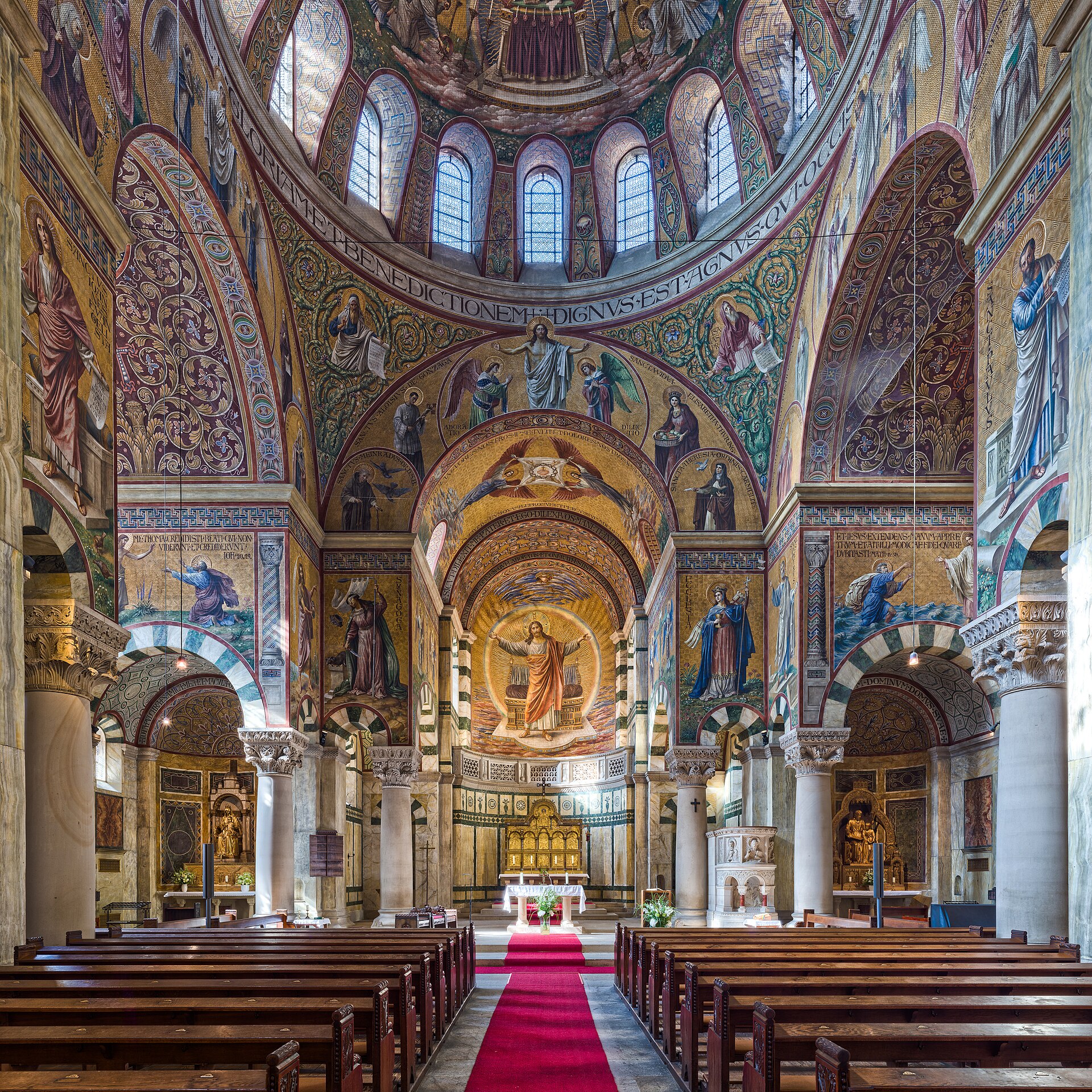
Knaackstraße 23, 10405 Berlin. The water tower itself, built 1877, still stands as a landmark visible from Kollwitzplatz. What changed hands is what sits below it: the underground reservoir built 1856, decommissioned after the tower ceased water operation in 1952. In the early 1990s that empty reservoir hosted techno parties. You could walk down into the chambers and find a club shell that had no lease, no permit, no heating. The squat operated there roughly from 1991 to 1994.
Those parties ended when the residential conversion began in 1995. By 1997 the reservoir had become Wasserturmplatz, a development of residential lofts. You cannot enter the lofts. You cannot find a club shell here. What you can do is stand at the base of the tower and look at the apartment windows that now occupy the space where ravers once danced. The exposed brick of the tower remains, but the ground floor is private. The closest you get to the squat era is the knowledge that the same cubic metres once held speakers, then became someone's living room.
The Camp That Preceded Everything
The site also has a darker earlier life: this was Berlin's first concentration camp, established in March 1933 for political prisoners before the SS moved operations to larger sites. A memorial plaque on the tower grounds marks that history. You will find no trace of the camp itself. The entire site has changed hands from camp to squat to lofts, and only the tower silhouette connects the three periods.
Kulturbrauerei Berlin Concert Venue: Brewery to 1990s Club to Cultural Complex
Knaackstraße 97, 10435 Berlin. The main entrance is on Schönhauser Allee, and you can walk straight in without a ticket. The cultural centre began its life as the Schultheiss brewery, which closed in 1967. During the GDR era the site housed storage and small industry. The cultural conversion started in the 1990s, and full opening as a cultural centre happened in 1998. Inside you find the Kesselhaus, a live music venue that operated from the mid-1990s. The SODA Club, which opened in 1996, hosted early electronic music. Both still function. You can attend a concert here tonight.
What Changed Around the Venue
What changed is the context. In 1996 the surrounding streets were still full of vacant ground-floor units and unrenovated Altbau flats with coal-fired individual ovens. The club operated in a brewery cultural complex that felt like an industrial island. Now the complex sits inside a fully renovated district. The same apartment buildings that flank the brewery entrance have uniform new balconies bolted onto previously flat Altbau fronts, full-width steel and glass constructions installed from the mid-1990s onward. The club survived the gentrification. The industrial context did not. Walk through the courtyard and you see the original brewery brickwork preserved, but the adjacent streets have smooth pastel render and new entrance doors with intercom systems. The complex is visitable, open daily, and you can check the programme for Kesselhaus shows. The 1990s club shell is still breathing here, but it breathes inside a cleaned-up shell.
Konnopke’s Imbiss: the Unchanged Holdover Under the U2
Schönhauser Allee 44b, 10435 Berlin. The prefab kiosk under the U2 tracks has been open since 1960. It survived the Wende. It survived the 1990s squat era, when the surrounding buildings had no central heating and the cold rent was 2 to 4 DM per square metre. It survived the renovation wave that peaked between 1997 and 2003, when those same blocks got new insulated windows and pastel render. This Imbiss is a working-class holdover from squatter days, and it is the single best place on this route to see what Prenzlauer Berg looked like before it changed hands.
The kiosk structure itself is unchanged: a prefabricated unit wedged under the U2 viaduct at Eberswalder Straße. You order Currywurst at the counter and eat standing at the metal shelf. The U2 trains rumble overhead every few minutes. The viaduct section immediately east of the station shows different brick colours where the Wall abutted the railway structure, a division remnant visible from your standing position. During the GDR era Eberswalder Straße U-Bahn station was closed and trains passed through without stopping. It reopened on 1 July 1990. The Imbiss was there before the station reopened and is still there now.
Konnopke's operates cash only. Bring coins. The line moves fast at lunch and slows after 15:00. This is not a gentrification story. This is the one site that refused to change hands. It is also the only site on this route where you can eat the same food that was sold here in 1990, cooked the same way, at the same location, under the same tracks.
Schönhauser Allee Imbisse and Tenements: the Street That Handed Itself Over
The Spine of the Transfer
Schönhauser Allee runs the length of the district from Eberswalder Straße north to the Ringbahn. It is the spine of the transfer story. The apartment blocks along this avenue and its side streets (Kastanienallee, Oderberger Straße, Dunckerstraße, Raumerstraße) were the ones that changed hands most visibly. In the early 1990s these were squatted buildings, unrenovated, coal heat only, shared toilets on half-landings, cold rent at 2 to 4 DM per square metre. The squatting scene centred on Helmholtzplatz, where houses on Dunckerstraße, Raumerstraße, and Lychener Straße were occupied and later either legalised as housing cooperatives or evicted. Raumerstraße 39 became a legalised cooperative in the mid-1990s. Kastanienallee 77, known as K77, was a known 1990s squat that legalised and remains an alternative housing project.
How the Street Transformed
The renovation wave began around 1994 to 1995 and accelerated after the federal capital decision of 1991 created tax incentive schemes for Berlin redevelopment. By 2024 the cold rent for a renovated Altbau flat in these same streets runs 18 to 25 Euros per square metre. The population figures confirm the turnover: roughly 140,000 residents in 1991, 125,000 in 2001, and 170,527 by 2023, according to Amt für Statistik Berlin-Brandenburg data. That population grew because the flats became desirable for families, not because the squatters stayed. The visible renovation marker on the façades is the uniform new balconies bolted onto previously flat Altbau fronts. Another marker is the conversion of former Kohlenkeller (coal cellar) windows at pavement level into ventilation grilles or glass blocks for commercial units.
The Holdouts Under the Tracks
The Imbisse along this avenue are the working-class holdovers. Konnopke's is the most famous, but you also find Boulette (meatball) stands and other Imbiss counters that survived the renovation wave because they sit under the U2 tracks where no residential conversion could push them out. The street-level gap between the renovated blocks and the unchanged prefab kiosks is the exact width of the 1990s transfer. You can see both in a single glance at Eberswalder Straße: the smooth pastel-render apartments on one side, the unchanged kiosk under the tracks on the other.
What Remains Visitable from the Squat Era
The Three Active Sites
Three sites from the 1990s remain visitable as active spaces, not as plaques. The Kulturbrauerei is open daily for its cultural programme and you can walk the courtyards for free. The Pfefferberg complex on Schönhauser Allee, a former brewery that closed in 1921 and became a printing works in the GDR era, began its cultural conversion in 1990 and still operates as a venue and bar. The Dunckerclub at Dunckerstraße 64, 10439 Berlin, opened in 1995 in a former butcher's shop and is still operating as of 2026. These are the exceptions.
What Closed for Good
Most 1990s infrastructure is now private or demolished. The Wasserturm club rooms became residential lofts. The club shell is closed. The squatted buildings on Raumerstraße and Lychener Straße are now housing cooperatives with private doors and no public access. The RAW Gelände in Friedrichshain is a separate district, but the pattern is the same. If you come looking for an intact 1990s scene, you will be looking at a replacement building or a plaque. What you can do is stand at the sites and note what changed hands. The tower is visitable as a landmark. The Kulturbrauerei is visitable as a venue. The Dunckerclub is visitable as a bar. Konnopke's is visitable as a meal. That is the list. It is shorter than most visitors expect, which is why the research says this district is not for first-time visitors wanting a fairy-tale old town. It is for Cold War history completists and urban-exploration architecture nerds who can read a transfer of hands from the balcony styles alone.

How to Walk the Transfer Route in One Morning
The Walk, Step by Step
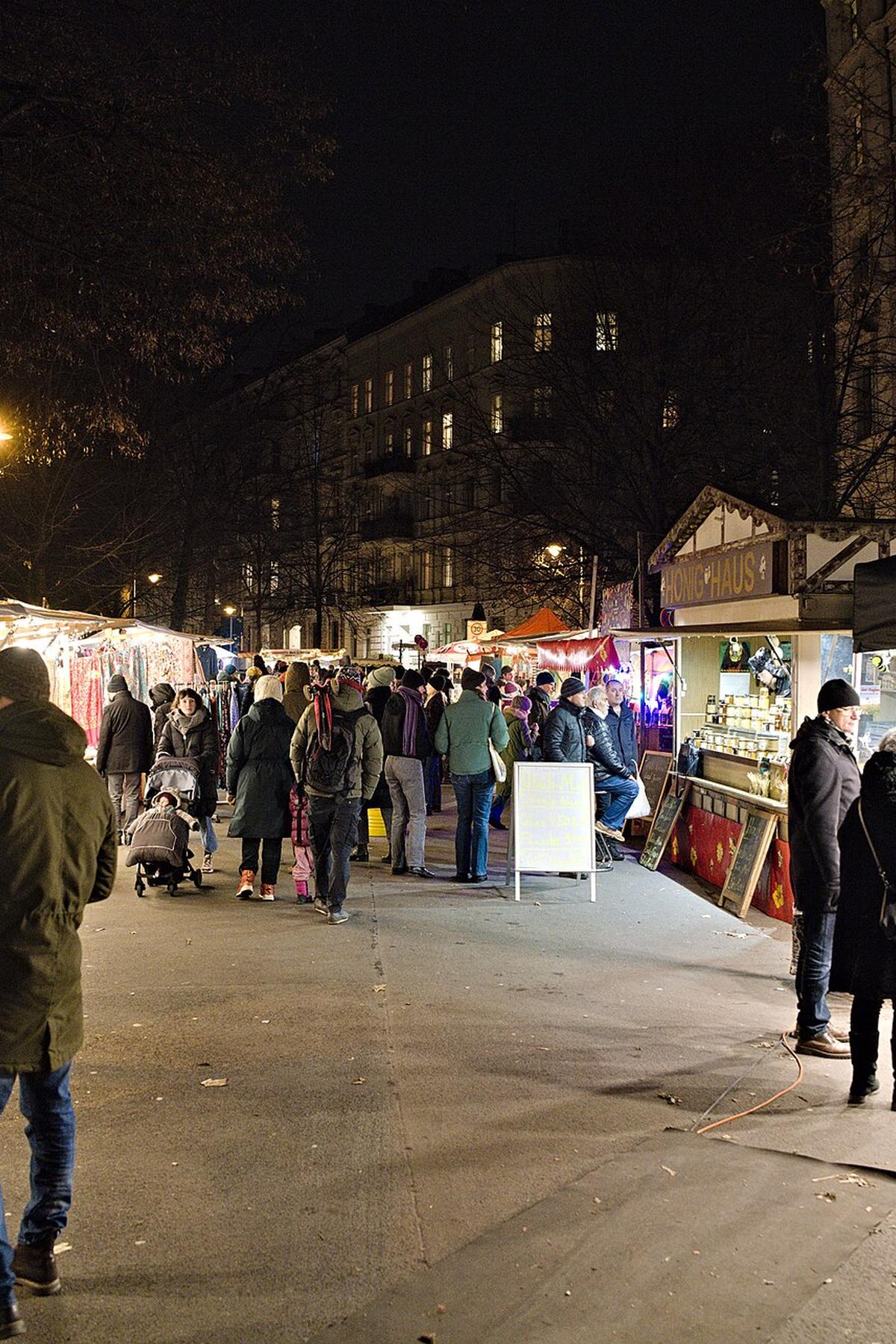
Start at U Eberswalder Straße. Exit the U-Bahn station onto the viaduct. You are standing at the former border crossing point. To your left is Konnopke's Imbiss. Eat a Currywurst standing at the metal shelf. Observe the brick colour difference on the viaduct where the Wall abutted the railway structure. Walk south down Schönhauser Allee to Knaackstraße (five minutes). Turn right. The Kulturbrauerei entrance is at Knaackstraße 97. Walk through the courtyard. Check the Kesselhaus programme. Continue on Knaackstraße to Kollwitzplatz (three minutes). The water tower is visible from the square at Knaackstraße 23. Stand at the base of the tower. The reservoir lofts are underground and invisible. The plaque for the first concentration camp is on the grounds. Walk north on Schönhauser Allee back toward Eberswalder Straße. On the way you pass Pfefferberg on the avenue and the Dunckerclub if you turn onto Dunckerstraße. Total walking time: about forty minutes at a slow pace.
Practical Decisions to Make Now
The single most useful thing you should do next is check whether the Kulturbrauerei has a concert on the night you are in Berlin. If it does, buy the ticket now. If it does not, the Kesselhaus bar is open most evenings and you can sit in the same room where 1990s club culture happened. Bring cash. The bar takes card but the Imbiss at the station does not, and many 1990s holdover bars in the district still operate cash only. Arrive by 10:00 to eat at Konnopke's before the lunch line forms. The tower is best seen in late morning light when it casts its shadow across the Kollwitzplatz market.
What This District is Bad at
Prenzlauer Berg is bad at delivering the raw 1990s experience that visitors expect from photographs of the squat era. The grit is now curated. The vacant lots are parks. The improvised bars have become permanent commercial units with intercom systems. If you need graffiti on every surface and abandoned buildings you can enter, this is the wrong district. Friedrichshain and Kreuzberg have more surviving 1990s fabric.
Prenzlauer Berg is also bad at walkable continuity between its Wall-related sites. The Wall ran along the southern edge of the district (along Bernauer Straße and parts of Eberswalder Straße) but the main Wall memorial and the preserved death-strip section are at Bernauer Straße, which is a fifteen-minute walk or a short U-Bahn ride from Kollwitzplatz. You will lose time on transit between the four sites on this route and the Wall sites. Plan for it.
The district is bad at late-night food that is not an Imbiss. The kiosks under the U2 tracks close by 21:00. After that you are looking at delivery or walking to the late-night soup kitchens in Friedrichshain. The beer gardens close early, including the Prater at Kastanienallee, which has been operating since 1837 but shuts its outdoor seating by 22:00. If you want a 3am Döner, you go to Kreuzberg, not Prenzlauer Berg.
| Site | Address | 1990s Use | Current Use | Visitability |
|---|---|---|---|---|
| Wasserturm Reservoir | Knaackstraße 23, 10405 Berlin | 1991–1994 club shell in disused reservoir chambers | Private residential lofts (since 1997) | Exterior only; tower visible from Kollwitzplatz |
| Kulturbrauerei | Knaackstraße 97, 10435 Berlin | Mid-1990s Kesselhaus live music; SODA Club opened 1996 | Cultural complex with concert halls and bars (since 1998) | Fully visitable; courtyards open daily; check programme for shows |
| Konnopke's Imbiss | Schönhauser Allee 44b, 10435 Berlin | Prefab kiosk under U2 tracks, open since 1960 | Unchanged Currywurst stand, same location and same operation | Fully visitable; counter service only; cash required |
| Schönhauser Allee Tenements | Various addresses along Schönhauser Allee and side streets | 1990–1994 squatted buildings with coal heating and shared toilets | Renovated Altbau flats with balconies and intercom systems | Exterior only; examples visible at any unrenovated building on side streets |
Common Questions
Can I enter the Wasserturm lofts?
No. The reservoir chambers were converted into private residential lofts between 1995 and 1997. The tower exterior is visible from Knaackstraße 23 and Kollwitzplatz. A memorial plaque on the grounds marks the site of Berlin's first concentration camp. You cannot enter any of the loft units.
Is the Kulturbrauerei still a concert venue in 2026?
Yes. The Kesselhaus and other halls within the complex at Knaackstraße 97 continue to host concerts and events. The complex is open daily. Check the programme online or at the venue box office for current shows.
Does Konnopke's Imbiss accept card payments?
No. Konnopke's at Schönhauser Allee 44b operates cash only. Bring coins and small notes. The line moves faster if you have exact change. The Currywurst costs roughly 3 to 4 Euros as of the 2024 rate.
What remains from the squat era that I can visit today?
Three active sites: the Kulturbrauerei (cultural complex open daily), the Pfefferberg (brewery complex on Schönhauser Allee with bars and venues), and the Dunckerclub at Dunckerstraße 64 (bar still operating). The squatted buildings on Raumerstraße and Lychener Straße are now private housing cooperatives with no public access.
How long does the walking route between the four sites take?
About forty minutes at a slow walking pace if you start at U Eberswalder Straße, walk to Konnopke's, continue south to the Kulturbrauerei and water tower, and return along Schönhauser Allee to Eberswalder Straße. Add twenty minutes if you also visit the Pfefferberg and Dunckerclub.
When is the best time of year to visit Prenzlauer Berg for this route?
May to September, driven by open-air events at the Kulturbrauerei and the street festivals on Schönhauser Allee. Avoid November 9 when the Wall memorial sites become dense with ceremonial crowds. Avoid major trade fairs (ITB Berlin in March, IFA in September) which spike hotel prices citywide.
What is the single most important practical detail for this district?
Cash is mandatory at many 1990s holdover bars, Imbisse, and club-adjacent spots. Konnopke's requires cash. Several Imbiss counters under the U2 tracks require cash. The Dunckerclub may accept card but check before ordering. A local SIM from Aldi Talk (10 Euros) helps with getting around because free Wi-Fi is patchy in the former eastern districts and BVG public Wi-Fi at U-Bahn stations requires a one-time SMS verification.