E-Werk and the Bunker: Two Berlin Techno Clubs That No Longer Exist and Where They Stood

E-Werk and the Bunker: Two Berlin Techno Clubs That No Longer Exist and Where They Stood
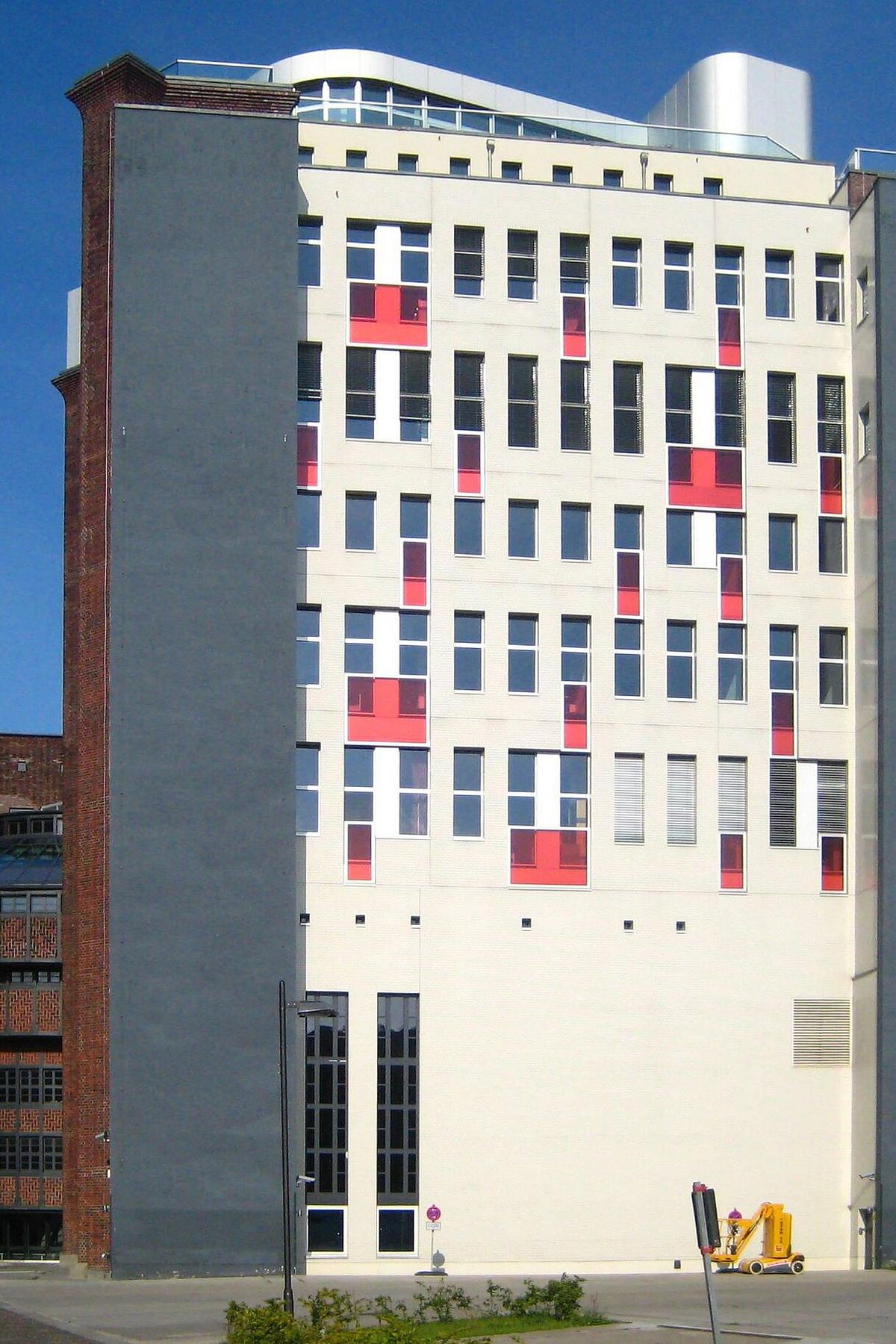
E-Werk and the Bunker had two very different addresses and histories. E-Werk occupied a former electrical substation at Wilhelmstrae 43, not far from Checkpoint Charlie. The Bunker was a five-storey WWII air raid shelter at Reinhardtstrae 20, near Friedrichstrae station. E-Werk ran from 1993 to 1997. The Bunker operated from 1992 to 1996. Both are gone. Their structures survive but in radically changed forms. E-Werk is now an events venue. The Bunker houses the Boros Collection, a private contemporary art museum you can only enter on a guided tour. Neither site has a plaque. You need the addresses and you need to know what to look for.
E-Werk Berlin Techno Club History: from Power Station to 1993 Opening
The Substation Years
The structure at Wilhelmstrae 43 was built as an electrical substation. In 1993 it became E-Werk, a hard techno club that quickly defined Berlin's post-Wall scene. The name played on its industrial past: E-Werk means power station. The sound was harder than the house music at WMF. Paul van Dyk was a resident. The label Dubmission released records tied to the club's aesthetic. The space was a single large hall with industrial concrete surfaces and a ceiling high enough for serious sound rigs. The door policy was strict. The crowd was dedicated. For four years, E-Werk sat alongside Tresor as an essential stop on the Berlin techno circuit.
Bunker Berlin Club Albrechtstrasse: the Air Raid Shelter That Became a Techno Bunker
A Shelter Built for 2,500
The Bunker at Reinhardtstrae 20 was built in 1943 as a public air raid shelter. Wartime capacity: 2,500 persons. The walls are up to 2 metres thick. Each of the five floors covers 1,000 square metres. In 1992 the space was converted into a techno club. The acoustics were extreme. Low frequencies bounced off the concrete and made the bass physically punishing. DJ Tanith was the defining resident. The label Bunker Records released the hardest sounds, including early gabber tracks. The club had no windows. No natural light. It had a reputation for being dangerous. Police raided it repeatedly. The authorities shut it down in 1996. The Bunker was one of the most intense club experiences in Berlin and one of the shortest lived.
1990s Berlin Clubs Demolished: Why E-Werk Closed and What Replaced it
Sold to Developers
E-Werk was sold to developers in 1997. The club closed and the interior was gutted. The site was redeveloped into office blocks. The shell survived but everything inside was stripped. Today Wilhelmstrae 43 is an events venue operated by E-Werk Berlin GmbH. It hosts corporate events, product launches and private parties. Nothing inside connects to the 1990s. The club that booked Paul van Dyk and ran hard techno all weekend is invisible behind the glass entrance. There is no plaque. You stand on the pavement outside and look at a structure that could be any modern office block in Berlin. The only clue is the name E-Werk, still used by the current operator. That is it.
E-Werk Mauerstrasse Location: the Address Confusion
Two Streets, One Substation
Many old maps and interviews place E-Werk at Mauerstrasse 80. That was the street entrance clubbers used. The official address was Wilhelmstrae 43. Mauerstrasse runs parallel to Wilhelmstrae, and the substation sat between them. Walk around the block and you see both sides of the same structure. The Mauerstrasse side is closer to Checkpoint Charlie. Use the Wilhelmstrae address when you search for the site today. The Mauerstrasse entrance no longer exists as a club door. The area is now a clean commercial district with embassy buildings and office blocks. The 1990s dirt and noise is entirely gone.
Berlin Techno Clubs Lost Venues: the Bunker After 1996
Seven Years Empty
The Bunker sat empty for seven years after the police shut it down. In 2003 art collector Christian Boros bought the structure. He commissioned architect Jens Casper to convert the five floors into a private contemporary art museum. The conversion was completed in 2007. The bunker now holds more than 500 works by over 30 artists. You can only visit on a guided tour. Book in advance. The booking window runs several weeks ahead, and the current rate is published by the Boros Collection on their site. The space retains the original concrete walls, the five-floor layout and the 1,000-square-metre floors. The bunker is now called the Boros Collection. The name Bunker Records lives on as a label, but the room where DJ Tanith played gabber is now an exhibition space. No plaque marks the club.
.jpg)
What Stands on Each Site Today
Getting to E-Werk Today
Take the U6 to Stadtmitte station. Walk south on Friedrichstrae, turn east on Wilhelmstrae. The building is five minutes from the station. Stand outside and look at the facade. That is the visit.
Getting to the Bunker Today
Take the S1, S2, S25 or S26 to Friedrichstrasse station. Walk south on Friedrichstrae, then east on Reinhardtstrae. The bunker is three minutes from the station. Do not attempt entry without a tour booking.
The One Practical Thing You Should Do Next
Before you go, confirm the Boros Collection tour availability for your dates. The booking window is several weeks and the rate changes annually. If you cannot get a tour, skip the Bunker entirely. The exterior is a concrete block with no signage. For E-Werk, arrive at Wilhelmstrae 43 on a weekday when the building is not hosting an event and you can stand in the lobby. The failure case is arriving at either site on a Sunday afternoon with no booking and finding two locked buildings that tell you nothing. Plan specifically for these two addresses and you will see what the 1990s Berlin scene sounded like inside.
Read next
-
 East Side Gallery
-
 Checkpoint Charlie
The guardhouse at Checkpoint Charlie is a replica from 2000. Here is what is original Cold War fabric, what is a set, and where the real booth ended up.
Checkpoint Charlie
The guardhouse at Checkpoint Charlie is a replica from 2000. Here is what is original Cold War fabric, what is a set, and where the real booth ended up.
-
 Charlottenburg
-
 Mitte
Mitte
-
 Prenzlauer Berg
-
 Friedrichshain
-
 Neukölln
-
 Kreuzberg
-
 Berlin 1990s Films Run Lola Run Sun Alley and Berlin Babylon What They Captured
Run Lola Run, Sun Alley, and Berlin Babylon each captured a different Berlin of the 1990s — the first a sprint through the post-Wall city, the last a techno-scored documentary of its construction.
Berlin 1990s Films Run Lola Run Sun Alley and Berlin Babylon What They Captured
Run Lola Run, Sun Alley, and Berlin Babylon each captured a different Berlin of the 1990s — the first a sprint through the post-Wall city, the last a techno-scored documentary of its construction.