What Is Real and What Is a Set at Checkpoint Charlie, Berlin's Most Famous Border Crossing
The guardhouse at Checkpoint Charlie is a replica from 2000. Here is what is original Cold War fabric, what is a set, and where the real booth ended up.
What is Real and What is a Set at Checkpoint Charlie, Berlin’s Most Famous Border Crossing
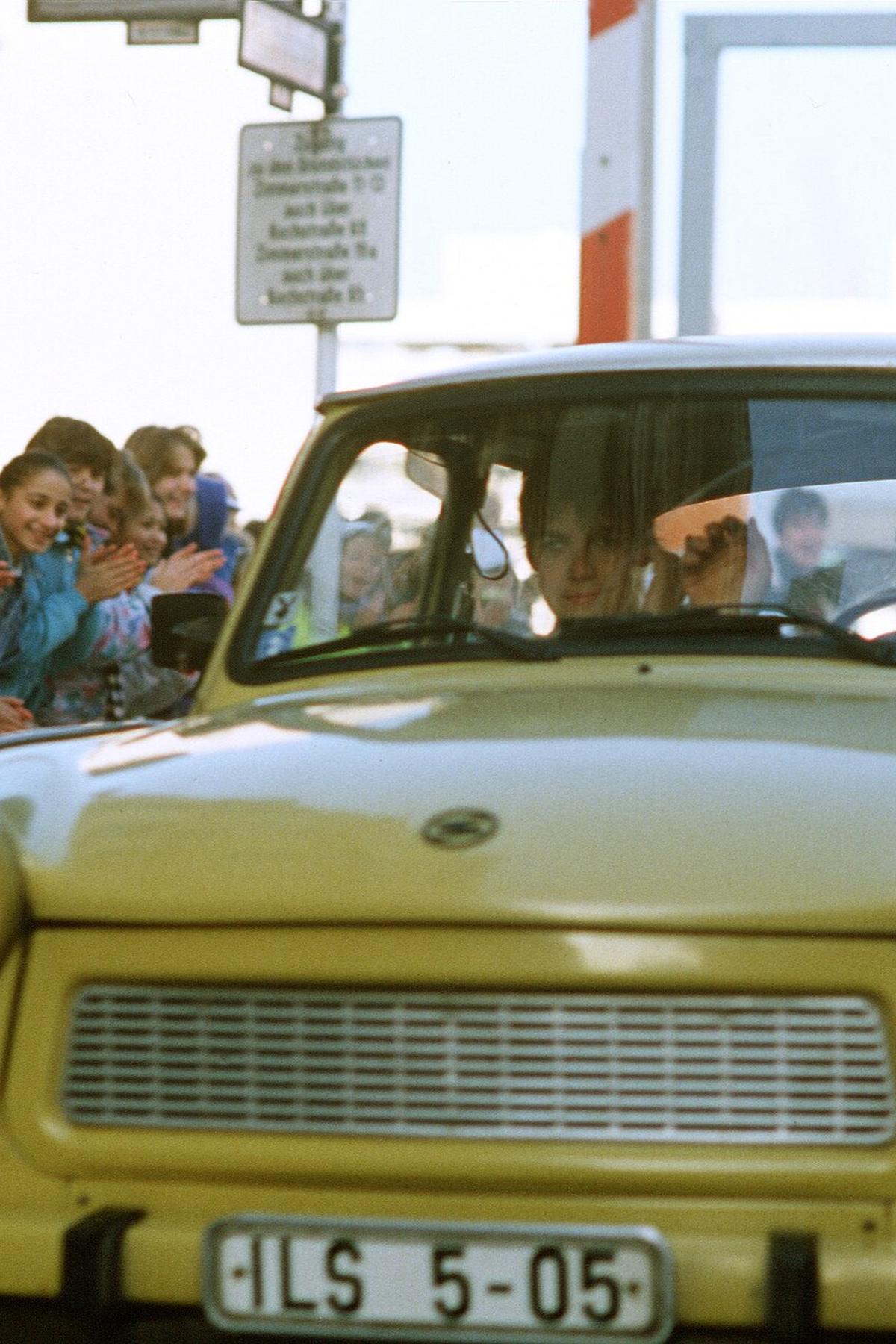
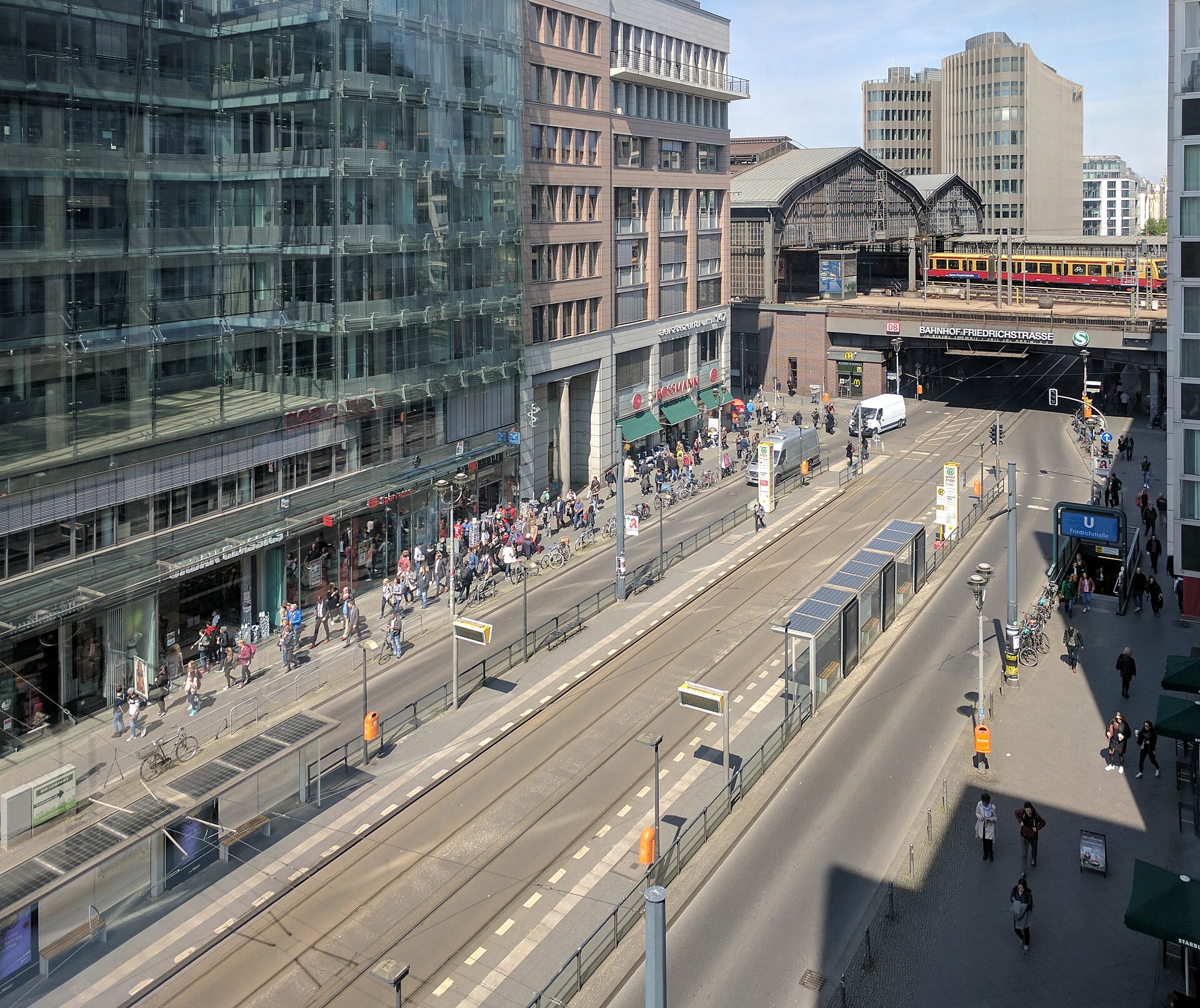
You turn onto Friedrichstrasse at Zimmerstrasse and stand at the boundary of the former American sector in Mitte. A wooden booth painted field green sits at the kerb, sandbags stacked around its base. Men in US Army and Soviet replica uniforms wait for tourists to hand over cash for a photograph. This is the scene that answers the search you typed: Checkpoint Charlie what is real and what is a set. Almost nothing you see at street level today dates to the Cold War. The site you are standing on was the most famous Allied checkpoint in a divided city, but the structure in front of you was installed on 13 August 2000, nearly a decade after the crossing closed. The authentic booth sits thirty minutes southwest in Zehlendorf. Your job is to separate the props from the remaining fabric, and that takes a few deliberate decisions about where to spend your time and money.
- Original Checkpoint Charlie Opened: 22 September 1961
- Original Checkpoint Charlie Closed: 30 June 1990
- Original Guardhouse Current Location: Allied Museum, Berlin Zehlendorf
- Replica Guardhouse Installed: 13 August 2000 at Friedrichstrasse 43 45
- What the Crossing Permitted: Allied military personnel, diplomats, and non German foreign nationals only
- Tank Standoff Duration: 25 28 October 1961, three days with 10 US M48 Patton tanks and 10 Soviet T 54 tanks facing each other
Checkpoint Charlie Replica Guardhouse: What You Actually See
Every photograph you have seen of the white sign reading YOU ARE LEAVING THE AMERICAN SECTOR was taken at the replica booth, not the original. The wooden structure and the sandbags are reconstructions. The soldiers in period uniforms are actors managed by private operators, not by any city authority. The fee for a photo with them is variable. Operators publish no fixed rate. Hand over cash or skip the photo entirely; the actors are the least interesting thing on the site.
Why the Replica Was Built
After the crossing was demolished in 1990, the corner of Friedrichstrasse and Zimmerstrasse became a traffic island with no marker. The replica was installed in August 2000 to give visitors a visual anchor. The city knew the site would attract Cold War history obsessives, but it chose not to fund a museum at the exact crossing point. The replica is a stand in. Treat it as a landmark you can identify from twenty metres away and nothing more.
Checkpoint Charlie Museum Worth It? the Mauermuseum and Its Alternatives
The Mauermuseum, also called Haus am Checkpoint Charlie, sits at Friedrichstrasse 43 45, on the exact footprint of the checkpoint. It opened on 14 June 1963, less than two years after the border crossing began operating. The museum is operated by Arbeitsgemeinschaft 13. August e.V., a private association with a direct connection to the events. The operator sets the admission fee on an annual schedule. Check the official website before you go.
What the Mauermuseum Does Well
The Mauermuseum holds the most comprehensive collection of escape vehicles, forged documents, and personal stories from the border regime. You will see the actual car a family drove through a reinforced barrier and the hot air balloon that carried eight people across the death strip. The museum is worth the admission if your primary interest is the human ingenuity that defied the border. It fills roughly two hours.
What the Mauermuseum Does Not Do
It does not preserve the outdoor site. The authentic booth is not here, and the street outside is the replica set. If your question is whether the Checkpoint Charlie museum is worth it, the answer depends on your tolerance for crowds and a dated exhibition style. The museum packs its rooms floor to ceiling with objects in a manner that feels more like an archive than a modern exhibition. For a cleaner, quieter, and free introduction to the Wall, walk 200 metres north to the Topography of Terror at Niederkirchnerstrasse 8. That documentation centre opened on 6 May 2010, charges no admission, and covers both Nazi terror and the post 1945 legacy of the site. The surviving 200 metre Wall segment on Niederkirchnerstrasse is a listed monument protected by Denkmalschutz, and it is real, not a reconstruction.
Berlin Wall Border Crossing Friedrichstrasse: Where the Real Line Ran
The border crossing on this street served a specific purpose under Allied regulations. Only Allied military personnel, diplomats, and non German foreign nationals could use it. Citizens of the Federal Republic of Germany and citizens of the German Democratic Republic were prohibited from crossing here. The checkpoint handled diplomatic tensions that could escalate in hours. On 25 October 1961, ten US M48 Patton tanks faced ten Soviet T 54 tanks across the line in a standoff that lasted three days until 28 October. The tank standoff is the single event that makes this corner of Mitte famous, but no trace of it remains at the street.
Finding the Original Location
The original location is the same intersection where the replica now sits, but the authentic structure is gone. The booth was moved to the Allied Museum in Berlin Zehlendorf in 1990. You can see it there, alongside the border crossing stamp and the full story of the Allied presence in Berlin. The Allied Museum is a 30 minute S Bahn ride from Friedrichstrasse station. Make the trip if you want to touch the actual booth that Soviet and American soldiers stood at during the standoff.
The only authentic element visible at the street site is the cobblestone line that marks the former border. It runs across the road surface in a double row of darker stones. Most visitors walk over it without noticing. Look down as you cross the street and you will find the real border printed in stone.
What Else Stands Near Checkpoint Charlie: the Supporting Sites
Three additional attractions cluster within a short walk and each fills a gap the outdoor site leaves open.
BlackBox Cold War Exhibition
At Friedrichstrasse 47, adjacent to the checkpoint, the BlackBox Cold War exhibition opened in 2012. The operator sets admission annually; check the official site before you go. The exhibition is compact, about forty minutes, and covers the global Cold War context rather than Berlin alone. Use it as a quick primer before you walk to the Topography of Terror.
Asisi Panorama Die Mauer
Yadegar Asisi created a 360 degree panorama of a fictional border crossing on Sebastianstrasse, depicting divided Berlin in the 1980s. The panorama opened in 2012 about 700 metres from the replica. The operator sets the fee annually; verify it before you visit. The panorama is a convincing reconstruction of the death strip, but it is art, not history. Visit it after you have seen real fragments so you can measure the difference.
The East Side Gallery and Berlin Wall Memorial
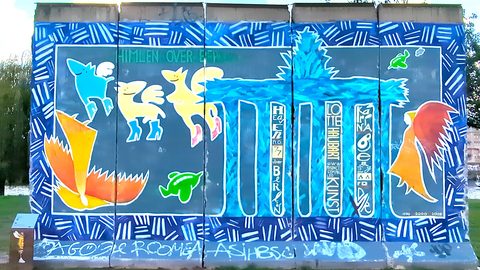
The East Side Gallery runs 1,316 metres along Mühlenstrasse between Ostbahnhof and Oberbaumbrücke. It was painted in 1990 by 118 artists from 21 countries. The Berlin Wall Memorial visitor centre on Bernauer Strasse is free and opened in 1998. Both are authentic Wall sections and both are worth your time more than the replica booth. The memorial includes the Chapel of Reconciliation, consecrated on 9 November 2000 on the site of the Versöhnungskirche that was demolished in 1985. That chapel and the preserved death strip on Bernauer Strasse give you the authentic scale of the border fortifications without a single costumed actor in sight.


How to Navigate Checkpoint Charlie Without Wasting Your Day
The term tourist trap applies to Checkpoint Charlie because of the replica booth, the costumed actors charging for photos, the souvenir shops, and the lack of original fabric at the outdoor site. Travel media has called it that for years and the label sticks because it is accurate. But you can use the site as a starting point for a real Cold War route through Mitte if you make the right choices.
Start Here, Then Move Fast
Arrive at Friedrichstrasse and Zimmerstrasse. Identify the replica booth, note the actors, find the cobblestone border line in the pavement. Take one photograph. That is the outdoor visit done. Do not pay for a photo with an actor unless you specifically want that image. Do not buy a souvenir from the kiosks at the site. Walk 200 metres north to Niederkirchnerstrasse and the Topography of Terror. That is free, it is real, and it connects the Nazi past to the Cold War border in the same grounds.
When to Avoid the Site Entirely
Peak season runs May to September. During those months the pavement in front of the replica is packed with tour groups from 10:00 to 16:00. The Mauermuseum queue stretches down the block. If you visit in summer, arrive before 09:00 or after 17:00. The site is never empty but those windows are manageable. The one week to avoid completely is ITB Berlin in early March and IFA in early September, when hotel prices spike and the central districts fill with trade visitors who have no interest in the Cold War. The 1 May Kreuzberg street parties also drive unpredictable crowds into Mitte.
Your Single Most Practical Next Step
Before you leave the house, download the BVG app and buy a prepaid eSIM for your phone. Free Wi Fi in Berlin is patchy by European standards. You need the app to navigate the U Bahn and S Bahn to the Allied Museum in Zehlendorf, the Bernauer Strasse Wall Memorial, and the East Side Gallery. Without it, you will miss the fragmentary double cobblestone line that marks the Wall path across the city. The line is disjointed and poorly marked. A specific map is the only way to follow it. Relying on the replica at Checkpoint Charlie as your sole image of the border means you will leave Berlin having seen a set, not the substance.
Common Questions
Is the guardhouse at Checkpoint Charlie the original one?
No. The original guardhouse was demolished when the checkpoint closed on 30 June 1990. The current structure is a replica installed on 13 August 2000. The original booth is at the Allied Museum in Zehlendorf.
Can I visit Checkpoint Charlie for free?
Yes. The outdoor site on Friedrichstrasse is free to view at any hour. You pay only for the Mauermuseum, the BlackBox Cold War, or the Asisi Panorama. Check each operator's website for current admission fees before you go.
Are the soldiers at Checkpoint Charlie real military personnel?
No. They are actors in US Army and Soviet replica uniforms managed by private operators. They charge a variable fee for a photograph.
How long should I spend at Checkpoint Charlie?
Fifteen minutes at the outdoor site to see the replica and find the cobblestone border line. Add two hours if you enter the Mauermuseum or forty minutes for the BlackBox Cold War exhibition.
Read next
-
 East Side Gallery
-
 Charlottenburg
-
 Mitte
Mitte
-
 Prenzlauer Berg
-
 Friedrichshain
-
 Neukölln
-
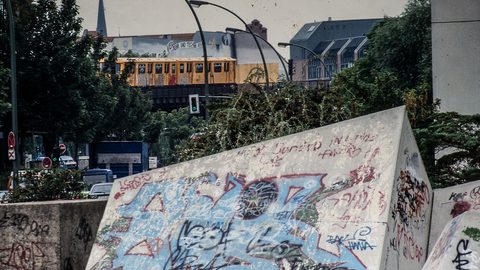 Kreuzberg
-
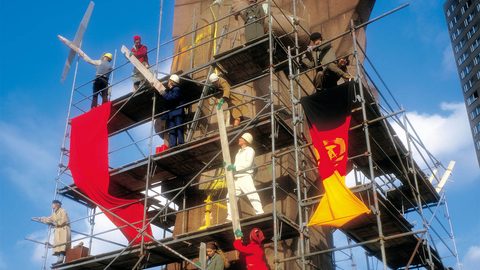 Berlin 1990s Films Run Lola Run Sun Alley and Berlin Babylon What They Captured
Run Lola Run, Sun Alley, and Berlin Babylon each captured a different Berlin of the 1990s — the first a sprint through the post-Wall city, the last a techno-scored documentary of its construction.
Berlin 1990s Films Run Lola Run Sun Alley and Berlin Babylon What They Captured
Run Lola Run, Sun Alley, and Berlin Babylon each captured a different Berlin of the 1990s — the first a sprint through the post-Wall city, the last a techno-scored documentary of its construction.
-
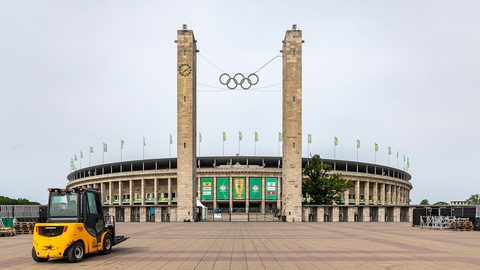 Hertha and Union Berlin the East West Football Split That Still Defines the City
Hertha Berlin and Union Berlin carry the city's east-west division into football, with Hertha's Olympiastadion in Charlottenburg and Union's Alte Försterei in Köpenick defining two different Berlins.
Hertha and Union Berlin the East West Football Split That Still Defines the City
Hertha Berlin and Union Berlin carry the city's east-west division into football, with Hertha's Olympiastadion in Charlottenburg and Union's Alte Försterei in Köpenick defining two different Berlins.