Hertha and Union Berlin: the East-West Football Split That Still Defines the City
Hertha Berlin and Union Berlin carry the city's east-west division into football, with Hertha's Olympiastadion in Charlottenburg and Union's Alte Försterei in Köpenick defining two different Berlins.
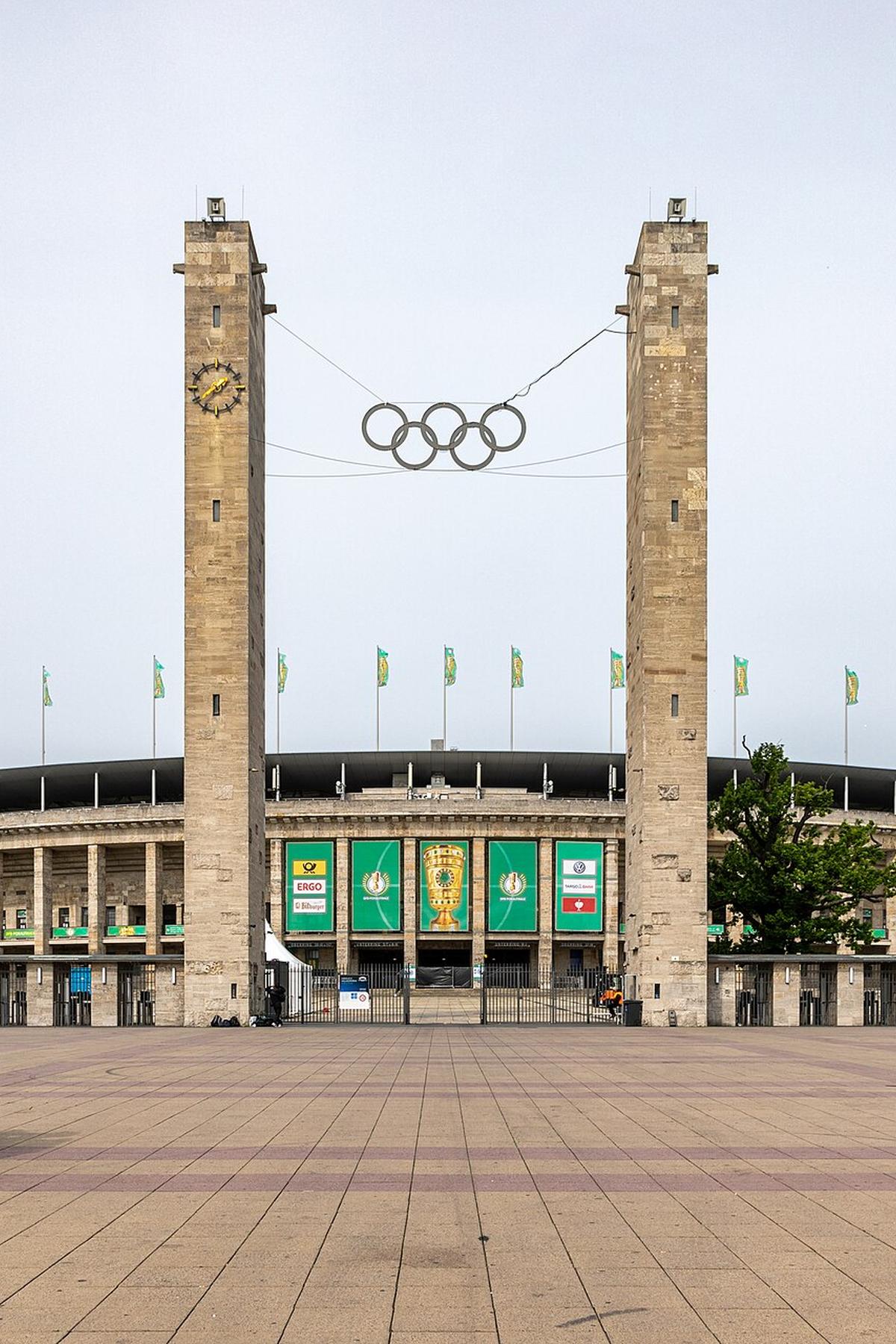

Choosing between the Olympiastadion and the Stadion An der Alten Försterei means choosing between two Berlins that still do not feel like one city. Hertha and Union map directly onto the Cold War border that divided Berlin for 28 years. Hertha BSC played in West Berlin’s vast Nazi-era bowl in Charlottenburg. FC Union Berlin was the GDR’s outsider club, tucked in the woods of Köpenick. After reunification, Hertha absorbed the amateur eastern league while Union nearly collapsed. The clubs have since swapped fortunes: Hertha slid into the second division in 2023 while Union reached the Champions League. Each matchday feels different. Each demands a different ticket strategy. Each tells you something about Berlin’s psychological geography that the Brandenburg Gate cannot.
Hertha BSC Berlin History: the West Berlin Establishment
Hertha BSC was founded in 1892, making it one of Germany’s older clubs. It played its home fixtures at the Olympiastadion Berlin, completed in 1936 for the Nazi Olympics and renovated in 2004. The ground sits in Westend, a district within Charlottenburg-Wilmersdorf, which was part of West Berlin during the Cold War. That location shaped everything about Hertha.
What the Ground Feels Like Now
The arena holds 74,475 for domestic games. It has a blue running track installed in 2004, which puts distance between the pitch and the stands. The atmosphere can feel muted compared to pure football grounds. Hertha’s fan base remains predominantly drawn from former West Berlin districts. After climbing to the top flight in 1997, Hertha stayed there for 13 consecutive seasons through 2009-10. But by the 2026-27 season, Hertha was back in the second tier. The 2024 attendance figures from the DFL are the ones to check for current status; the club publishes its own ticketing updates at herthabsc.com.
Getting Tickets for Hertha
Buy directly from Hertha’s website, not from resellers. General admission for second-division fixtures in 2025 ran from €20 to €50 depending on the stand. Arrive by S-Bahn to Olympiastadion station on the S3 or S9 lines. The failure case: if the match is against a visiting team with a large away following, the game may sell out two weeks ahead. Check the club’s Vorverkauf (advance sale) calendar on its site.
Union Berlin History: the GDR Outsider Club
1. FC Union Berlin was founded in 1966, but its roots trace further back in the worker’s clubs of East Berlin. The club played in the Oberliga East Germany during the GDR era, finishing its final season in the NOFV-Oberliga in 1990-9. After reunification, Union spent nine consecutive seasons in the third tier: from 1991-9 through 1993-9 in the NOFV-Oberliga Nord, then from 1994-9 through 1999-200 in the Regionalliga Nordost, also third tier.
The Stadion An der Alten Försterei
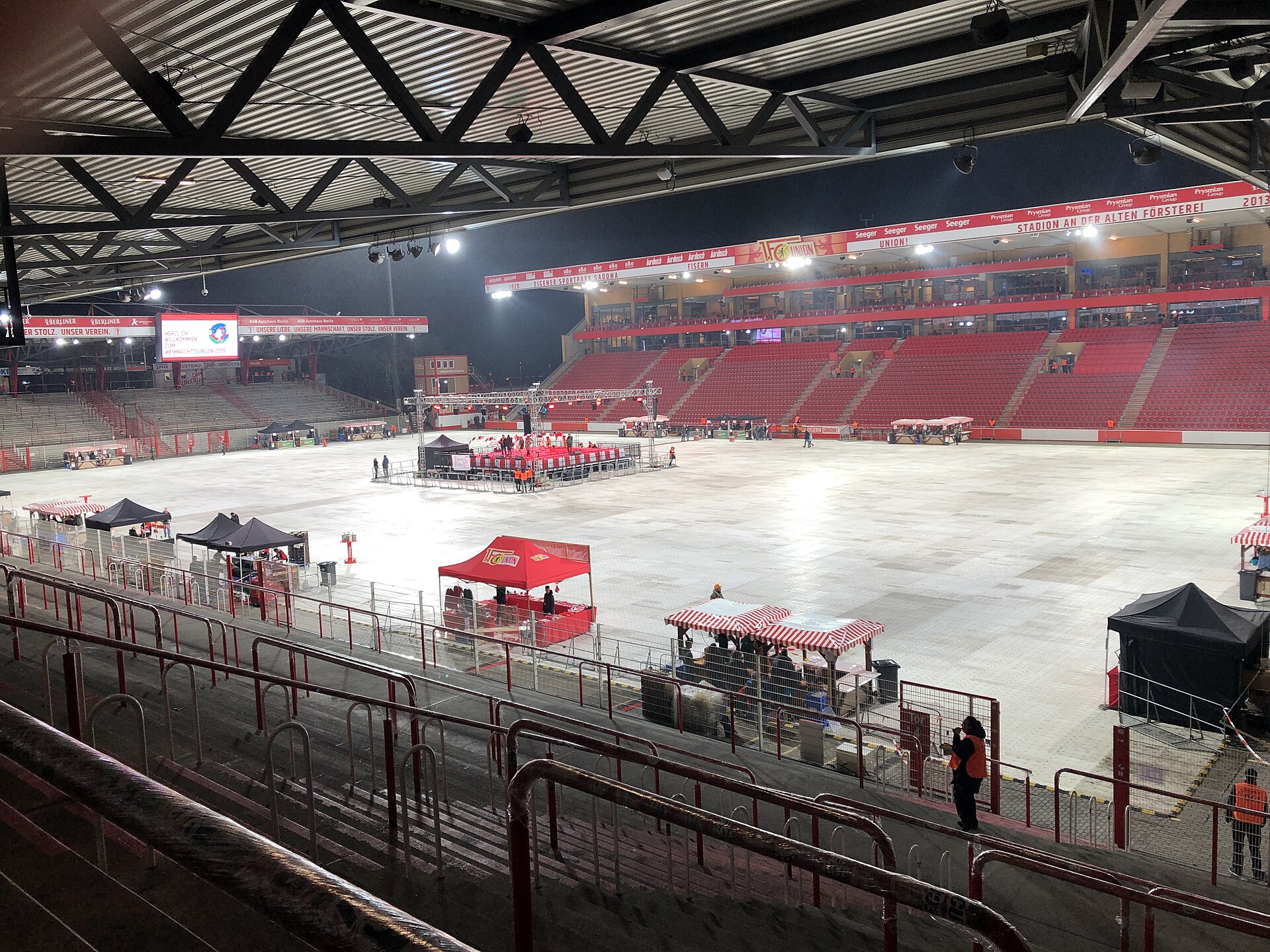
The stadium was originally built in 1920 and underwent major redevelopment completed in 2013. It sits in the Köpenick district of Treptow-Köpenick, formerly East Berlin. The capacity is 22,01. There is no running track. The Waldseite, a standing terrace, is the largest single terrace standing section in German professional football. The fan base is predominantly from former East Berlin districts, especially Köpenick and the eastern boroughs.
What Union’s Matchday Feels Like
Union’s first top-flight promotion came in 2019. By the 2026-2 season, the club remained in the Bundesliga. The atmosphere at the Alte Försterei is louder and more intimate than at the Olympiastadion, partly because of the enclosed design and the standing section. The surrounding forest in Köpenick means fans walk from the Wuhlheide S-Bahn station through the trees to reach the ground.
The Berlin Football Rivalry: One Friendly That Changed Everything
On 27 January 1990, less than three months after the Berlin Wall fell on 9 November 1989, Hertha and Union played a friendly at the Olympiastadion. It was the first meeting between a West Berlin and East Berlin club since 1961. About 50,00 people attended. Hertha won 2-. The match was not a competitive fixture, but it was a symbolic crossing of the Cold War football divide that had separated the two clubs and their supporters for nearly three decades.
Why the East West Split Still Defines Matchday Choices
You cannot understand the rivalry without understanding Berlin’s psychological geography. Hertha’s Olympiastadion in Charlottenburg sits in what was West Berlin’s affluent centre. Union’s Stadion An der Alten Försterei in Köpenick sits in what was the GDR’s eastern periphery. That divide still maps onto supporter bases, ticket prices, and matchday rituals. Hertha’s amateur era in the 1990 saw the club absorb players from the eastern leagues while Union fought to stay solvent. The DDR secret police club, BFC Dynamo, was the GDR’s favoured team; Union was the club East Berliners who resented the regime supported. That history of the Eisern Union fans as deliberate outsiders persists today.
How Each Matchday Feels and What to Book
Arrive at the Olympiastadion by S-Bahn to Olympiastadion station. Enter through the north gate for the fastest access to the lower tier. Buy a BVG day ticket that covers the S-Bahn zones AB; a single fare is about €3.50. Hertha fixtures in the second division draw around 50,000 fans, leaving the upper tiers empty. The failure case: if you buy a ticket from a third-party site, you risk paying double the face value and receiving a duplicate barcode that the turnstile rejects.
For Union, take the S3 to Wuhlheide S-Bahn station, then walk 20 minutes through the forest. The walk is part of the experience. Buy a ticket only from fc-union-berlin.de. Union’s top-flight status means most league games sell out. The cheapest standing tickets on the Waldseite cost about €15 in the 2024-25 season. The failure case: if you arrive by taxi, you will sit in post-match traffic for 40 minutes while the S-Bahn clears the crowd in 15.
| Detail | Hertha BSC | 1. FC Union Berlin |
|---|---|---|
| Home Stadium | Olympiastadion Berlin | Stadion An der Alten Försterei |
| Location District | Westend, Charlottenburg-Wilmersdorf (former West Berlin) | Köpenick, Treptow-Köpenick (former East Berlin) |
| Capacity (Domestic) | 74,475 | 22,012 |
| Running Track | Yes (blue track, installed 2004) | No (no running track) |
| Standing Terrace | No | Yes (Waldseite, largest single terrace in German professional football) |
| Construction / Renovation | Built 1936, renovated 2004 | Built 1920, redeveloped 2013 |
| League Status (2026-27) | 2. Bundesliga | Bundesliga |

Fan Culture East vs West: What the Stands Tell You
Union’s fans still self-identify as Eisern Union, a name that predates the club’s commercial success. They sang through nine years in the third tier. The free beer for fans myth that circulates online started from a single stunt during the 2004 financial crisis when fans donated blood to raise money, and the club bought the donors a beer. It was not free beer for everyone. But the story persists because it matches the outsider identity.
Hertha’s fan culture is broader and less distinct. Its amateur era in the 1990 meant the club cycled through coaches and identities. The East West divide marker for Hertha BSC fans is their geographical origin in former West Berlin districts; for Union fans, it is their origin in Köpenick and the eastern boroughs. On matchdays, the S-Bahn tells the story: fans heading west for Hertha and east for Union rarely overlap.
Relegation 2023 and Champions League 2023: the Fortune Swap
In 2023, Hertha was relegated from the top flight to the second division. In the same calendar year, Union Berlin qualified for the Champions League for the first time. That reversal of fortunes hardened the east-west divide rather than softened it. Hertha’s old guard in Charlottenburg complained that Union had stolen their place. Union’s fans in Köpenick pointed out that they had climbed from the Oberliga East Germany to Europe’s top competition in 33 years while Hertha had fallen.
What This Means For Your Visit
You are more likely to get a Hertha ticket on short notice than a Union ticket. If you arrive without a plan, aim for Hertha. The Olympiastadion is easier to reach and less likely to be sold out. If you have three months of lead time, join Union’s membership waitlist for access to the Waldseite. The second-division status for Hertha and the top-flight status for Union in the 2026-27 season are subject to annual confirmation by the DFL; check their league tables before booking.
Getting There Without a Car: S-Bahn Routes and Failure Cases
Use the BVG app to buy a ticket before you board. Validate it at the small red box on the platform. The most common trap is forgetting to stamp the ticket; the fine is €60, paid on the spot. The S9 S-Bahn runs from Berlin Brandenburg Airport to both stadium areas. For Olympiastadion, get off at Olympiastadion station. For Alte Försterei, get off at Wuhlheide S-Bahn station then walk 20 minutes through the woods.
The failure case: if the S-Bahn is disrupted by a strike or a signal failure, take the U-Bahn to the nearest alternate station. For Olympiastadion, use U2 to Kaiserdamm then walk 15 minutes. For Alte Försterei, use U1 to Warschauer Strasse then take the tram 21 to the ground. Google Maps will show both routes, but the resident authority on real-time delays is the BVG app itself.
The Practical Next Step and the Single Thing That Most Often Goes Wrong
You now have two separate matchday plans. Pick one club, check its league table on the DFL’s website, then buy tickets from the club’s own shop. Book a BVG day ticket for the right S-Bahn line. Arrive at the ground 90 minutes before kickoff to clear security and find your block. What most often goes wrong: travellers buy tickets from a third-party site because the official site is in German. The official sites have English toggle buttons. Use them. The third-party barcode will fail at the turnstile and the club will not reissue it. Buy from the club.
Read next
-
 East Side Gallery
-
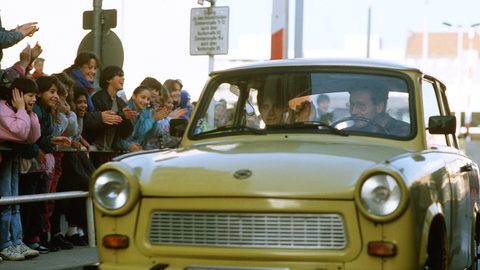 Checkpoint Charlie
The guardhouse at Checkpoint Charlie is a replica from 2000. Here is what is original Cold War fabric, what is a set, and where the real booth ended up.
Checkpoint Charlie
The guardhouse at Checkpoint Charlie is a replica from 2000. Here is what is original Cold War fabric, what is a set, and where the real booth ended up.
-
 Charlottenburg
-
 Mitte
Mitte
-
 Prenzlauer Berg
-
 Friedrichshain
-
 Neukölln
-
 Kreuzberg
-
 Berlin 1990s Films Run Lola Run Sun Alley and Berlin Babylon What They Captured
Run Lola Run, Sun Alley, and Berlin Babylon each captured a different Berlin of the 1990s — the first a sprint through the post-Wall city, the last a techno-scored documentary of its construction.
Berlin 1990s Films Run Lola Run Sun Alley and Berlin Babylon What They Captured
Run Lola Run, Sun Alley, and Berlin Babylon each captured a different Berlin of the 1990s — the first a sprint through the post-Wall city, the last a techno-scored documentary of its construction.