Tresor, E-Werk, and Bunker: Where Berlin Techno Actually Started
Berlin techno started in three specific physical spaces: the Tresor vault on Leipziger Strasse, the E-Werk power station on Wilhelmstrasse, and the Bunker on Albrechtstrasse—all opened in 1990–1992.
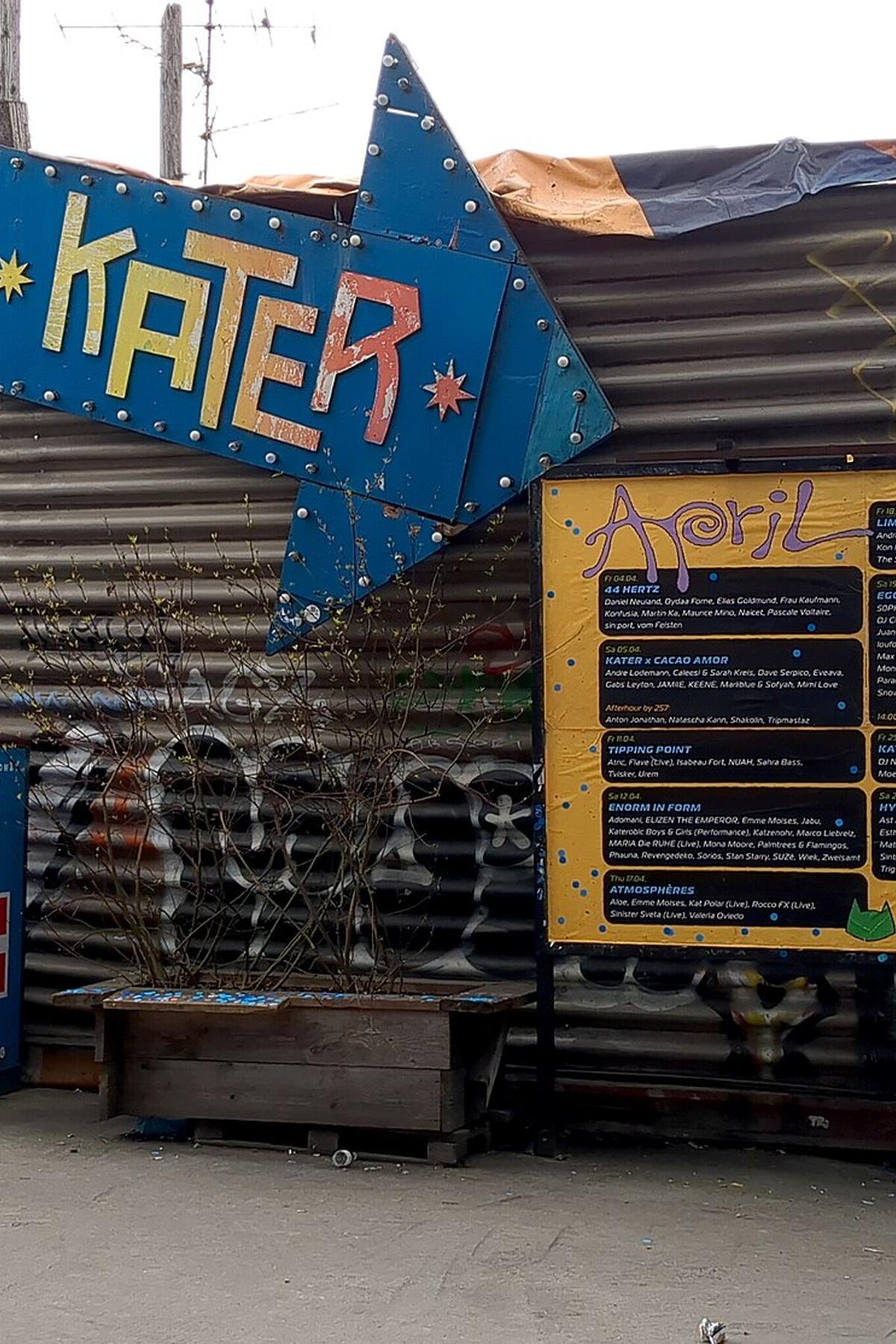

Tresor, E-Werk, and Bunker: Where Berlin Techno Actually Started
You want to stand on the pavement where Berlin techno started, not at some plaque erected a decade later. Three addresses from 1991 to 1993 hold the answer: Tresor in the basement vault of a bombed department store, E-Werk in a 1920s electrical substation, and the Bunker in a Reichsbahn air raid shelter. This guide pins each to its exact street number, describes the bare space that made the sound possible, and tells you what occupies that site right now. No DJ biographies. No genre taxonomy. Just the geography of the sound.
Between 1990 and 1992, an estimated 30 to 40 percent of Mitte's commercial and industrial floor space stood empty. The Vermögensgesetz of September 1990 left thousands of properties without a clear legal owner because restitution claims were unresolved. That legal vacuum, not a master plan, is what let the scene claim its rooms. Dimitri Hegemann and the group behind Tresor secured an informal short-term lease on the vaults of the ruined Wertheim department store at Leipziger Straße 126-128 and opened on March 13 1991. The site had been bombed during World War II and left unused for decades. The street-facing door opened onto a staircase that led down into a basement safe, a space whose poured cement and steel door had been designed to hold cash, not basslines.
Tresor Berlin Club History: the Vault That Held the Sound
The Tresor basement safe measured roughly 30 by 15 metres. Its former life as a bank vault meant walls thick enough to absorb sound from inside and keep street noise out. The room had no natural light. The ceiling was low. The cement was unpainted. That acoustic isolation and the absence of any visual distraction focused every person in the room on the sound system and the records, the Detroit techno that Hegemann and the booking team imported from Underground Resistance and other labels. The space dictated the sound. A vocal room would have died in that box. The minimal, repetitive, machine-driven pulse of early 1990s Detroit techno filled it exactly.
What Stands There Now
Tresor closed at Leipziger Straße on April 16 2005. Demolition followed across 2005 and 2006. The site now holds a mixed-use residential and retail block completed in 2014. Nothing on the pavement marks the vault below. You are looking at a normal block of flats and a pharmacy. The current Tresor moved to Kraftwerk Berlin at Köpenicker Straße 70 and reopened on May 24 2007, but that is a different structure with a different acoustic history. The first room is gone.
E-Werk Berlin Techno: the Power Station on Wilhelmstrasse
E-Werk opened as a club in 1993 at Wilhelmstraße 43, Berlin Mitte. The structure was a former electrical substation built between 1926 and 1931. The space that became the dance floor had held transformers and switchgear. The floor was sloped for drainage. The walls were tiled in industrial white. The ceiling rose high enough to let sound decay differently than in Tresor's basement. The room gave the music room to breathe, and the programming leaned toward the faster, more melodic strain of techno that had not yet hardened into the BPM norm of the late 1990s.
Visit the Room That Survived
E-Werk closed as a club in 1997. The structure never faced demolition. It operates today as an event venue still called E-Werk Berlin. The same address, the same shell, the same high ceiling. If you attend a corporate event or a fashion show there, the only thing it hosts now, the floor is the same sloped surface. The tiled walls remain. You are inside one of the three rooms where Berlin techno began, but no sign says so. The club's run was short, roughly four years, and its influence is overlooked by visitors who arrive for Berghain, which opened in December 2004 and is not part of this first wave.
Bunker Berlin Club: the Air Raid Shelter at Reinhardtstrasse
The Bunker club opened in 1992 at Reinhardtstraße 20, Berlin Mitte. The structure was a Reichsbahn air raid shelter built between 1941 and 1943. Its walls are roughly two metres thick. The same soundproofing that protected occupants from bomb blast also isolated the club from the surrounding city. The Bunker's programming was harder than Tresor's and faster than E-Werk's, a sound that later became the blueprint for much of what is now called Berlin techno. The space held three floors of rooms inside a windowless monolith. The lack of any reference to time, day or night, made sets stretch past dawn without anyone noticing.
The Most Intact, the Most Sealed
The Bunker closed as a club in 1996. The structure was converted into a residential and commercial property called Bunker Reinhardtstraße. It now contains flats and offices. The exterior is the same grey block you would have seen in 1992. You can walk past it. You cannot go inside. The address is a five-minute walk from the Friedrichstraße S-Bahn station. The Bunker is the most physically intact of the three venues and also the most sealed. None of its club history is readable from the street.
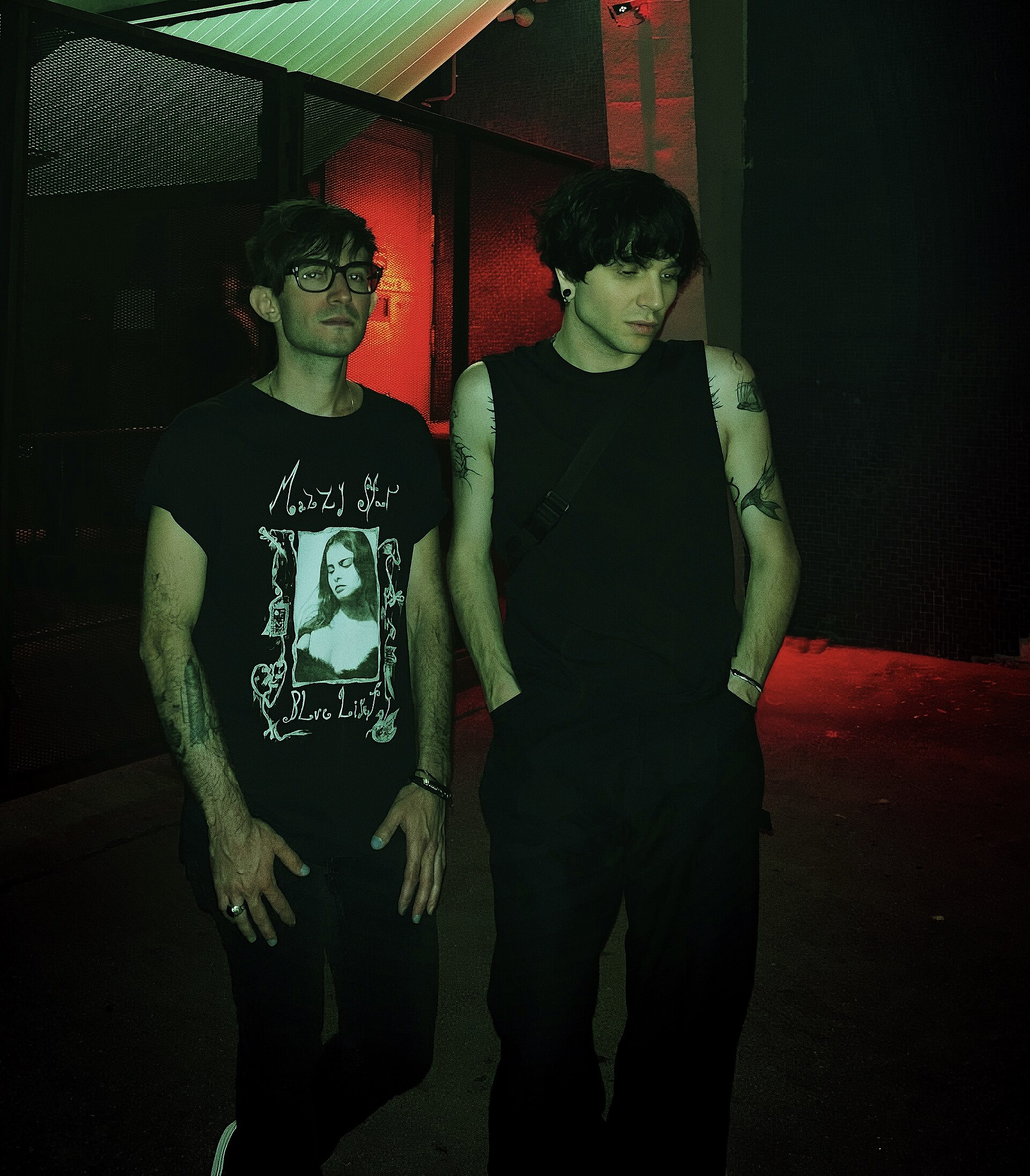

Early 1990s Berlin Techno Venues: the Fourth Room That Almost Nobody Remembers
Planet opened in 1991 at Köpenicker Straße 70, the same site that later held Kraftwerk and now holds the relocated Tresor. Planet closed in 1993. It occupied a former power station hall whose cavernous volume dwarfed every other room in the scene. The space held 2,000 people without feeling crowded. The bare floor, the exposed piping, and the faded industrial paint made it look like a factory floor cleared for a party. Planet's three-year run overlapped with the first years of Tresor and E-Werk, but its location on the same plot that later became Kraftwerk means most visitors today walk across its ghost without knowing it.
The four venues together occupied four different industrial types: a bank vault, an electrical substation, a bomb shelter, and a power station. Each type shaped the sound that was played inside it. A venue built for money changed sound differently than a venue built for electricity. The early 1990s Berlin techno scene did not happen in purpose-built nightclubs. It happened in rooms that were designed to do something else.
Berlin Techno Origins Clubs: What to Photograph and What to Skip
Photograph three things. First, the façade of 126-128 Leipziger Straße, a normal residential block with no sign of the vault that sat below it for 14 years. Second, the front door of Wilhelmstraße 43, the E-Werk structure, still standing in its first form with the same industrial windows that let light onto the substation floor. Third, the grey block of Reinhardtstraße 20, the Bunker, whose exterior has not changed since the 1940s. Skip the current Tresor at Kraftwerk if your goal is the first geography. That venue opened after the first wave ended. The sound inside is different. The room is different.
Plan Your Route
Your failure case is trying to visit all three addresses in a single afternoon. The Leipziger Straße site, Wilhelmstraße, and Reinhardtstraße are spread across Mitte. Walking between them takes roughly 20 minutes from one to the next on foot. Budget two hours including photography. If it is 1am and you want to hear techno in a room that matters to this history, the Bunker and E-Werk are not open. The site of the first Tresor is flats. The only option that runs is the current Tresor at Kraftwerk, which shares a name but not a room.
Read next
-
 East Side Gallery
-
 Checkpoint Charlie
The guardhouse at Checkpoint Charlie is a replica from 2000. Here is what is original Cold War fabric, what is a set, and where the real booth ended up.
Checkpoint Charlie
The guardhouse at Checkpoint Charlie is a replica from 2000. Here is what is original Cold War fabric, what is a set, and where the real booth ended up.
-
 Charlottenburg
-
 Mitte
Mitte
-
 Prenzlauer Berg
-
 Friedrichshain
-
 Neukölln
-
 Kreuzberg
-
 Berlin 1990s Films Run Lola Run Sun Alley and Berlin Babylon What They Captured
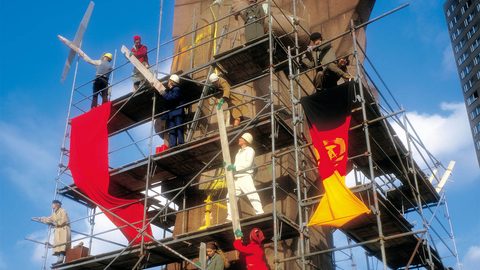
Run Lola Run, Sun Alley, and Berlin Babylon each captured a different Berlin of the 1990s — the first a sprint through the post-Wall city, the last a techno-scored documentary of its construction.
Berlin 1990s Films Run Lola Run Sun Alley and Berlin Babylon What They Captured
Run Lola Run, Sun Alley, and Berlin Babylon each captured a different Berlin of the 1990s — the first a sprint through the post-Wall city, the last a techno-scored documentary of its construction.