Berlin Squats: Mainzer Strasse and What Came After the Evictions
The November 1990 eviction on Mainzer Strasse in Friedrichshain was the violent peak of Berlin's squatting era. Only a few occupied houses survived legalisation or remain contested today.
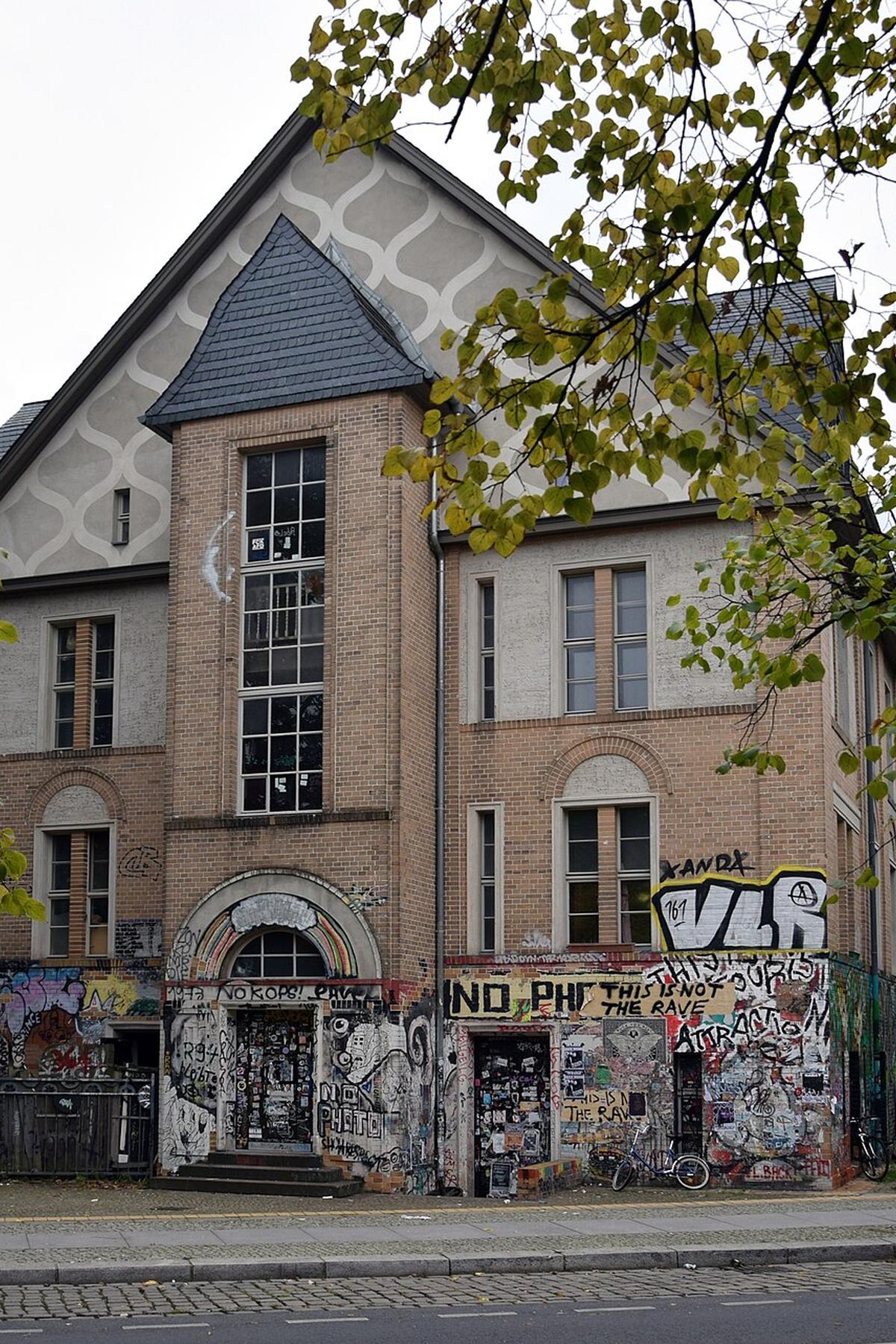

Berlin Squats Mainzer Strasse 1990: What Happened During the Eviction
On 12 November 1990, around 3,000 police officers cleared 11 buildings along Mainzer Strasse in Friedrichshain. The operation lasted three days and marked the violent peak of Berlin squatting history. The buildings had been occupied since March 1990, when East Berlin's housing authority left tenements empty while thousands faced homelessness. By mid 1990, 130 buildings across East Berlin were occupied. Mainzer Strasse became the flashpoint because the Senate chose to enforce eviction there first, using a force level usually reserved for riot control. A cop car was set on fire during the standoff. The eviction broke the squatter collective physically. It also forced the city to invent a policy that would define the next decade.
Mainzer Strasse Eviction 1990: the Day Berlin Broke Its Squats
The 11 buildings on Mainzer Strasse sat in a row between Boxhagener Strasse and Weserstrasse. By November 1990, the city had run out of patience with what it saw as an uncontrolled occupation movement. The eviction started at 5am. Officers used battering rams and climbed through windows while residents threw objects from roofs. The cop car fire became the image of the day. Arrests exceeded 200. After the buildings were cleared, demolition crews moved in within weeks. Today, the site is a gap of newer apartment blocks and a small park. No trace of the original squats remains above ground.
Why Some Squats Survived and Others Fell
What survived was the lesson: the Berliner Linie, announced in 1992, offered legalisation for squats that could prove non-violent, constructive use. That policy is what separates the demolished Mainzer Strasse from the houses still standing.
Berlin Squatting History: How 130 Buildings Became a Housing Crisis
Berlin squatting history accelerates from the 1980s West Berlin scene into something larger after the Wall fell. In East Berlin's Friedrichshain and Prenzlauer Berg, whole blocks of prewar tenements had been left to rot by the GDR state. When the border opened in November 1989, activists and artists moved into empty properties, often within hours of the previous tenants leaving. By March 1990, occupations were happening weekly. The Mainzer Strasse squat was part of that wave.
The Berliner Linie and Its Consequences
The city's response split the movement: some houses were legalised under the Berliner Linie, while others, like those on Mainzer Strasse, were cleared. The legalised ones received rental contracts with housing cooperatives or the city itself. The demolished ones were replaced with private renovation projects. That split is still visible in Friedrichshain's street layout.
Besetzte Häuser Berlin: Which Squatted Houses Still Exist
The German phrase besetzte Häuser Berlin still describes a living network, not a museum. Three projects from the 1990s wave remain active and legalised. Rigaer Strasse 94 in Friedrichshain operates under a rental contract with a housing cooperative. Its facade carries political murals, and the courtyard hosts regular events. Køpi (Köpenicker Strasse 137) in Mitte runs a bar, a concert space, and a kitchen. Schokoladen at Ackerstrasse 169 in Mitte has a cafe and a performance room. All three are legalised squats that visitors can enter during public hours.
Rules for Visitors
None is a tourist attraction: residents enforce no-photo policies at the entrance, and private areas are off limits. The city publishes updated lists of legalised projects annually. Verify the 2026 status of any address before you travel.
Friedrichshain Occupied Houses: Address by Address
Friedrichshain occupied houses cluster around three streets. Rigaer Strasse 94 is the most visible, with a yellow facade and a banner that changes with each political cycle. The block around Samariterstrasse had several squat projects through the 1990s, most now converted to private flats. The silent courtyard at Rigaer Strasse 94, a rear space accessible through the building's archway, hosts workshops and community meetings.
RAW-Gelände and What Survives
The RAW-Gelände, a former railway repair works on Revaler Strasse, was not a residential squat but became a hub for 1990s club culture. Its structures were squatted for event spaces rather than housing. Friedrichshain's remaining squat infrastructure is fragile: Rigaer Strasse 94 faced repeated police raids in the 2010s, and its legal status is renewed periodically. Visit during daylight, attend a public event, and do not photograph residents.
Berlin Squats 1990s Aftermath: What Became of the Legalised and the Lost
The Berlin squats 1990s aftermath divides into three outcomes. Legalised houses: Rigaer Strasse 94, Køpi, and Schokoladen remain active under rental contracts. Demolished houses: the 11 buildings on Mainzer Strasse were razed. Private flats: most other squats in Prenzlauer Berg and Friedrichshain were renovated and sold as condominiums.
What Disappeared in Prenzlauer Berg
The Wasserturm on Knaackstrasse in Prenzlauer Berg, a former water tower that housed the Nazis' first concentration camp and later a squat, is now a block of apartments. The Tuntenhaus, a famous queer squat on Kastanienallee, was legalised in the early 1990s and later privatised. Schönhauser Allee has no visible squat remnants; the tenements were renovated and now rent at market rates.
Kreuzberg's Lost Squats
Kreuzberg's Oranienstrasse retained some squat projects into the 2000s, but most were legalised and eventually sold. The Pfingstkampf of 1991, an annual Pentecost weekend standoff between police and activists in Kreuzberg, marked the last mass street conflict of the era.
Visiting Legalised Squats: Rigaer Strasse 94, Køpi, Schokoladen
Three legalised squats accept visitors during public hours.
Rigaer Strasse 94
Enter through the archway at 10247 Berlin Friedrichshain. Check the door for event flyers. The bar opens irregular hours; aim for weekend afternoons.
Køpi
Find the bar and garden at Köpenicker Strasse 137, 10179 Berlin Mitte. They open most evenings. The kitchen serves donation-based soup and Club Mate.
Schokoladen
The cafe at Ackerstrasse 169, 10115 Berlin Mitte opens Tuesday through Sunday, 12:00 to 20:00.
House Rules
All three enforce a strict no-photo policy. Respect it. Do not enter stairwells or residential courtyards. The houses are private homes for the people living there. Failure to follow house rules gets you asked to leave, and that is the polite outcome.
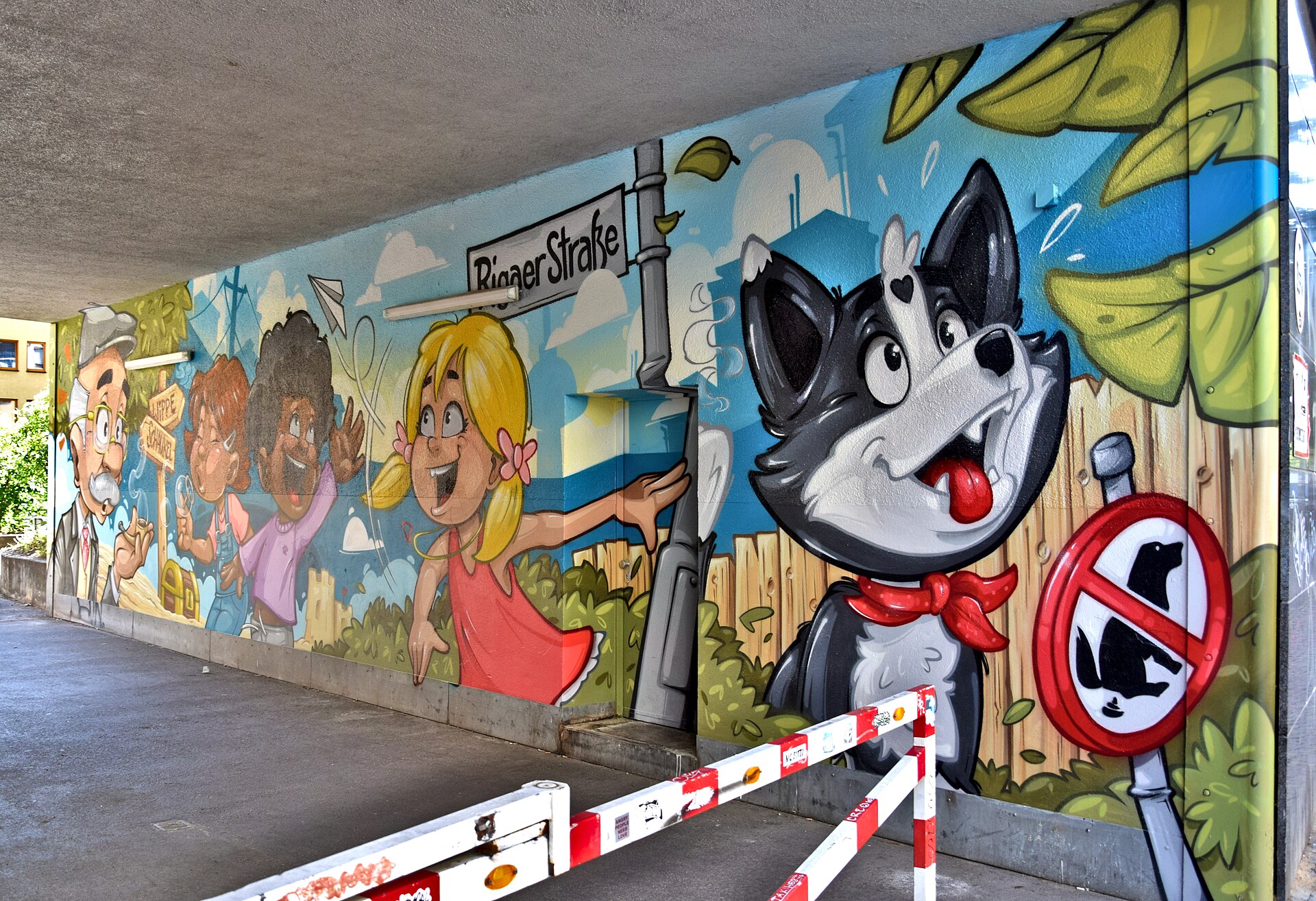

Prenzlauer Berg and Kreuzberg: What Remains of the 1990s Squats
Prenzlauer Berg's squat legacy is mostly invisible. The Wasserturm at Knaackstrasse 23 was a squat after the Wall fell, then renovated into luxury flats. The Kulturbrauerei on Schönhauser Allee, a brewery turned cultural complex, was never squatted but became a concert venue that hosted the same crowds.
Kreuzberg's Squat Legacy
Kreuzberg's Oranienstrasse had a dense cluster of squats in the 1980s and 1990s, concentrated around the block between Marionnenstrasse and Heinrichplatz. Most were legalised and later sold. The Tuntenhaus on Kastanienallee, a prominent queer squat, was legalised in 1992 and privatised by the early 2000s. Görlitzer Park, a former train station turned wasteland turned park, was a site of 1990s raves and remains a green space. The Pfingstkampf of 1991 centred on Kreuzberg's Lausitzer Platz, where police and squatters clashed annually until the Berliner Linie reduced the conflict.
What the 1990s Squat Era Costs a Visitor Now
The failure case for a 1990s squat tour is arriving at an address that is private flats with no public access. That describes most former squats in Friedrichshain and Prenzlauer Berg.
Money and Logistics
The three active legalised squats require cash. Rigaer Strasse 94 bar runs on cash only. Køpi and Schokoladen accept card less reliably. You need a BVG ticket validated before boarding any U-Bahn or S-Bahn; plainclothes inspectors issue €60 fines on the spot. Free WiFi is patchy in former east districts. Buy a local SIM from Aldi Talk for €10 and avoid the SMS verification required by BVG public WiFi.
When Not to Come
November 9 crowds at Wall sites are dense and ceremonial rather than explorable. Trade fairs ITB Berlin in March and IFA in September spike hotel prices across the city.
| Name | Address | Public Access | Cash Required |
|---|---|---|---|
| Rigaer Strasse 94 | Rigaer Strasse 94, 10247 Berlin Friedrichshain | Bar and events, weekend afternoons best | Yes |
| Køpi | Köpenicker Strasse 137, 10179 Berlin Mitte | Bar and garden, most evenings | Preferable |
| Schokoladen | Ackerstrasse 169, 10115 Berlin Mitte | Cafe, Tue Sun 12:00 20:00 | Preferable |
Who This Subject Suits and Who Should Skip it
Berlin's 1990s squat layer suits Cold War history completists, 1990s techno and club culture pilgrims, urban exploration and architecture nerds, second-time Berlin visitors digging past the greatest hits, and photographers chasing post-industrial decay. It is not for first-time Germany visitors wanting a fairy-tale old town. The 1990s layer is broken, sprawling, and emotionally heavy.
How to Plan Your Route
You need three days minimum: one for the scattered Wall remains, one for the 1990s club and squat legacy, one for the wasteland-to-park transformations. The single thing that goes wrong most often is assuming the Wall is a single visitable monument. It is a dispersed trail of fragments, memorials, and absences across four districts. Plan your route before you leave the hotel.
Read next
-
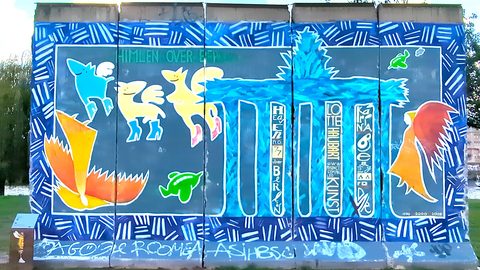
 East Side Gallery
-
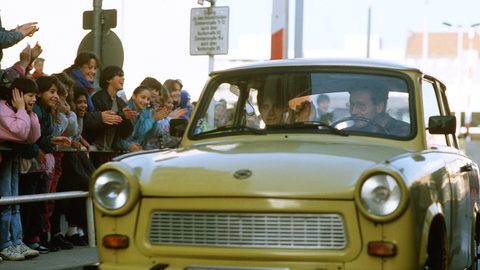 Checkpoint Charlie
The guardhouse at Checkpoint Charlie is a replica from 2000. Here is what is original Cold War fabric, what is a set, and where the real booth ended up.
Checkpoint Charlie
The guardhouse at Checkpoint Charlie is a replica from 2000. Here is what is original Cold War fabric, what is a set, and where the real booth ended up.
-
 Charlottenburg
-
 Mitte
Mitte
-
 Prenzlauer Berg
-
 Friedrichshain
-
 Neukölln
-
 Kreuzberg
-
 Berlin 1990s Films Run Lola Run Sun Alley and Berlin Babylon What They Captured
Run Lola Run, Sun Alley, and Berlin Babylon each captured a different Berlin of the 1990s — the first a sprint through the post-Wall city, the last a techno-scored documentary of its construction.
Berlin 1990s Films Run Lola Run Sun Alley and Berlin Babylon What They Captured
Run Lola Run, Sun Alley, and Berlin Babylon each captured a different Berlin of the 1990s — the first a sprint through the post-Wall city, the last a techno-scored documentary of its construction.