Die Strecke der Loveparade in Berlin und was heute an den Orten der Neunziger steht
Die Loveparade zog in den Neunzigern vom Kurfürstendamm zur Siegessäule – die Strecke führt heute durch ein städtebaulich völlig verändertes Berlin.
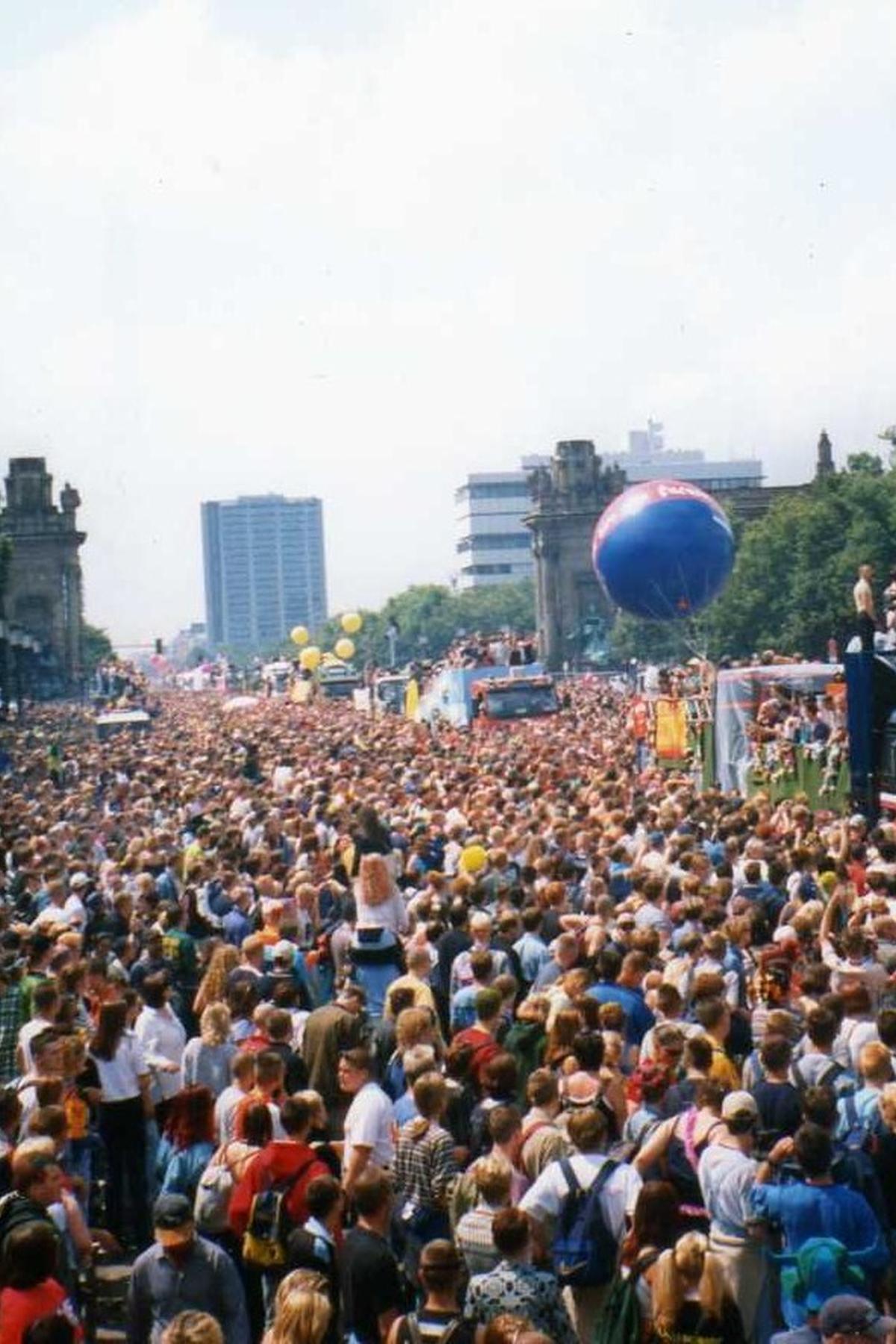
Die Loveparade Berlin Strecke 90er heute ist keine nostalgische Route durch eine erhaltene Stadt, sondern eine Lektion in urbanem Wandel. 1989 startete Dr. Motte mit 150 Leuten am Kurfürstendamm als politische Demonstration unter dem Motto „Friede, Freude, Eierkuchen“. 2001 entzog ein Gerichtsurteil (Az. VG 1 A 99.01) den Demonstrationsstatus, die Parade wurde kommerziell, verlor ihre Seele und endete 2006 in Berlin. Die Strecke, die sie nahm, existiert noch. Aber das, was heute an ihren Rändern steht, hätte kein Teilnehmer von 1989 wiedererkannt.
Loveparade Route Berlin: Vom Ku’damm Zur Siegessäule
Die Strecke 1989 bis 1995: Kurfürstendamm
Von 1989 bis 1995 lief die Loveparade auf einer 2 Kilometer langen Strecke den Kurfürstendamm hinunter, vom Wittenbergplatz bis zum Olivaer Platz. Die Teilnehmerzahl wuchs so rasant, dass die Straße selbst mit 40 Festwagen nicht mehr ausreichte. 1995 drängten sich die Massen auf diesen zwei Kilometern, eine Dichte, die das Gebiet in eine einzige, komprimierte Rave-Kultur verwandelte.
Die Strecke 1996 bis 2003: Straße des 17. Juni und Tiergarten
Ab 1996 verlagerte sich die Loveparade auf die Straße des 17. Juni. Die knapp 2 Kilometer zwischen Brandenburger Tor und Siegessäule boten Platz für die Parade selbst. Der Große Tiergarten, 210 Hektar Parkfläche, diente als Ausweichfläche für die Massen. Die Trampelpfade, die damals durch den Grenzstreifen des ehemaligen Todesstreifens entstanden, sind bis heute als informelle Wege im Rasen sichtbar. Die Siegessäule war der Fixpunkt, das Ziel jeder Etappe.
Die Route heute begehen
Beide Routen sind öffentlich begehbar. Der Kurfürstendamm ist eine durchgehende Fußgängerzone mit Geschäften, Gastronomie und kaum erkennbaren Spuren der Parade. Die Straße des 17. Juni ist eine vierspurige Hauptstraße, ohne Hinweise auf die Millionen, die hier tanzten. Der Tiergarten ist rund um die Uhr geöffnet. Die Distanz zwischen Brandenburger Tor und der Säule legst du in 25 Minuten zu Fuß zurück.
Loveparade Kurfürstendamm: Was Heute Dort Steht
Der Abschnitt zwischen Wittenbergplatz und Olivaer Platz ist heute eine der teuersten Einkaufsstraßen Berlins. Kein Hinweis erinnert an die Loveparade. Wo 1995 noch Menschenmassen auf dem Asphalt standen, sitzen heute Touristen in Straßencafés. Der Wittenbergplatz selbst, einst Startpunkt der Parade, ist ein Verkehrsknotenpunkt mit U-Bahn-Zugang und Wochenmarkt. Die Architektur hat sich nicht verändert, die Nutzung ist eine vollständig andere. Wer den Geist der frühen Techno-Geburt sucht, findet ihn hier nicht mehr. Die Szene war damals nie auf den Ku'damm konzentriert, sondern residierte in fensterlosen Industriehöfen in Friedrichshain, Kreuzberg und Treptow.
Loveparade Tiergarten: Die Offenen Narben Der Brache
Die Bühne im Park
Der Große Tiergarten, 210 Hektar öffentlicher Park, war ab 1996 die wahre Bühne der Loveparade. Die Parade zog über die Straße des 17. Juni, die Massen breiteten sich aber in den Park aus. Was heute als ruhige Grünanlage erscheint, war damals eine staubige Brachfläche. Die Mauer-Schneise, die Berlin bis 1989 teilte, verlief direkt durch den Tiergarten. Nach dem Mauerfall blieb ein Grenzstreifen aus Sand und Unkraut, perfekt für eine Open-Air-Party.
Die Trampelpfade finden
Die Trampelpfade, die Hunderttausende in den Rasen traten, sind heute noch als weiche Vertiefungen im Boden erkennbar. Geh von der Siegessäule aus 200 Meter nordwestlich in das Waldstück. Der Park ist ganzjährig geöffnet, aber die Spuren sind nur bei trockenem Wetter und tiefstehender Sonne sichtbar. Suchst du nachts, scheitert die Navigation am fehlenden Licht und der miserablen Konnektivität. Lade Offline-Karten herunter, bevor du losgehst.
Loveparade Siegessäule: Vom Zielpunkt Zum Aussichtspunkt
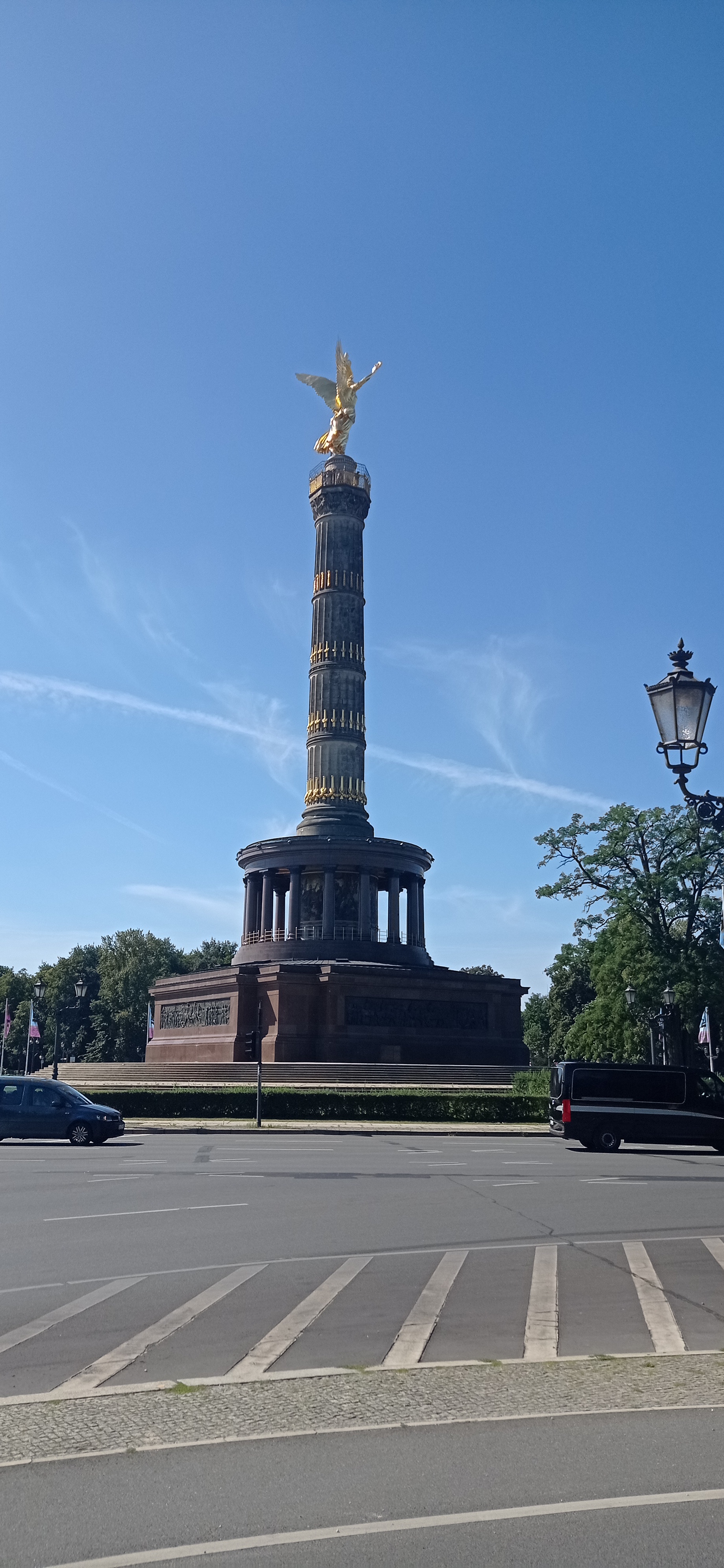
Die Siegessäule war der magnetische Endpunkt jeder Loveparade. Die Parade endete hier, die größten Festwagen parkten um ihren Sockel, und die Menge staute sich über die Straße des 17. Juni zurück. Heute ist die Siegessäule eine Touristenattraktion. Du erklimmst die Stufen für 4,50 Euro Eintritt (Stand 2024). Von oben siehst du den Tiergarten, das Brandenburger Tor und den Parlamentskomplex, aber kein einziges Relikt der Parade. Der Platz um das Denkmal ist weitläufig und leer. Eine Tafel oder Markierung gibt es nicht. Willst du die Loveparade hier nachspüren, brauchst du eine Karte der alten Route und ein Gespür für den Maßstab: 1,5 Millionen Menschen standen 1999 auf diesem Fleck. Das ist schwer vorstellbar, wenn zehn Touristen auf einer Bank sitzen und Selfies machen. Der beste Zeitpunkt ist früher Morgen an einem Wochentag, dann hast du den Platz fast für dich.
Die Brache Als Archiv: Was Heute an Den Schlüsselpunkten Steht
Kurfürstendamm: Straße des Konsums
Keine Plakette, keine Kunstinstallation, kein Stein erinnert an die Parade. Der Abschnitt zwischen Wittenbergplatz und Olivaer Platz ist heute eine Fußgängerzone mit Filialisten und Imbissketten. Die einzige physische Spur ist die Breite der Straße, die eine Massenveranstaltung überhaupt erst möglich machte.
Straße des 17. Juni: Hauptstraße ohne Gedenken
Die Straße ist eine vierspurige Durchgangsstraße. Kein Verkehrsschild, keine Bodenmarkierung deutet auf die Millionen hin, die hier tanzten. Nur der Tiergarten bewahrt die Trampelpfade.
Tiergarten: Die informellen Wege
Die Trampelpfade sind die einzigen physischen Überreste. Sie liegen im Bereich zwischen Siegessäule und dem Haus der Kulturen der Welt. Du erkennst sie an den fehlenden Gräsern und der verdichteten Erde. Kein Schild weist darauf hin.
Siegessäule: Aussichtsplattform
Der Ort der größten Menschenmassen ist heute eine der meistfotografierten Sehenswürdigkeiten Berlins. Die Stufen und der Eintrittspreis von 4,50 Euro sind die einzigen Barrieren. Der Boden rund um den Sockel ist gepflastert und zeigt keine Abnutzung durch die Parade.


Praktische Umsetzung: Die Route in Drei Tagen Ablaufen
Du brauchst mindestens drei Tage, um die Strecke der Loveparade und die verbliebenen Originalschauplätze der Rave-Kultur zu erfassen. Ein Tag für die Mauer-Schneise, ein Tag für die ost-westliche Brachkultur entlang der alten Route, ein Abend für die verbliebenen Techno-Orte. Die Anfahrt zwischen den Punkten ist lang: Kurfürstendamm bis Siegessäule sind 15 Minuten zu Fuß, aber von der Siegessäule zum RAW-Tempel in Friedrichshain brauchst du mit der U-Bahn 35 Minuten. Von dort zum Tresor in der Leipziger Straße noch einmal 20 Minuten. Plane keine Route, die dich quer durch die Stadt zwingt, ohne die Fahrtzeiten einzurechnen. Der Ost-Südosten hat eine ausgedünnte Taktung nach 1 Uhr. Deine Strategie: Starte am Kurfürstendamm um 10 Uhr, arbeite dich zur Siegessäule vor, dann in den Tiergarten. Den zweiten Tag reservierst du für Friedrichshain und Kreuzberg mit dem RAW-Tempel, dem KitKatClub und dem YAAM. Den dritten Tag für Treptow und den Sprepark.
Häufiger Fehler: Die Kommerzfalle Mitte
Der häufigste Fehler: Du glaubst, die 90er-Orte lägen kompakt in Berlin-Mitte oder am Ku'damm. Die frühe Szene war dezentral. Sie spielte sich ab in billigen Brachen im Osten: Friedrichshain, Treptow, Lichtenberg. Die West-Innenstadt war kulturgeografisch irrelevant. Wer nur die Regierungsbauten und den Potsdamer Platz abläuft, verpasst den Geist der Jahre. Geh in den RAW-Tempel (Revaler Straße, Friedrichshain). Geh zum Tresor (Leipziger Straße, Keller). Geh in den Mauerpark am Sonntag. Erst dann verstehst du, dass die Loveparade nicht die Party war, die Party war die harte, dreckige Arbeit an einer neuen Identität im Rauch der Industriehöfe.
Für Wen Diese Route Ist, Und Für Wen Nicht
Diese Route ist für Geschichts-Tracer, die Mauerreste lesen können und verstehen wollen, wie aus der Narbe Stadt wurde. Für Nachtschwärmer auf Spurensuche der frühen Techno-Geburt. Für Urban-Exploration-Enthusiasten mit Gespür für Zwischennutzungen. Sie ist nicht für Reisende, die ein flanierfreundliches, fertiges Stadtbild suchen, das war Berlin damals nicht. Nicht für Besucher ohne Geduld für Industriecharme, graue Himmel und fragmentierte Orte. Das Einzige, was hier meist schiefgeht: Du unterschätzt, dass die Adressen der Clubs häufig durch Neubauten ersetzt wurden und nichts auf sie hinweist. Pack eine Offline-Karte mit den alten Standorten ein und reise mit dem Wissen, dass du die Party nicht wiederfinden wirst, nur ihre Narben.
Weiterlesen
-
 East Side Gallery
-
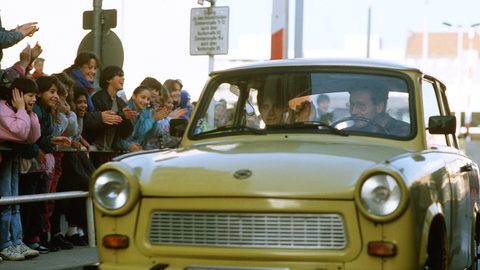 Checkpoint Charlie
The guardhouse at Checkpoint Charlie is a replica from 2000. Here is what is original Cold War fabric, what is a set, and where the real booth ended up.
Checkpoint Charlie
The guardhouse at Checkpoint Charlie is a replica from 2000. Here is what is original Cold War fabric, what is a set, and where the real booth ended up.
-
 Charlottenburg
-
 Kreuzberg
-
 Friedrichshain
-
 Neukölln
-
 Mitte
Mitte
-
 Prenzlauer Berg
-
 Hard Wax Tresor Records Basic Channel wo der Berliner Techno Sound herkam
Hard Wax, Basic Channel und Tresor Records prägten den Berliner Techno-Sound der 1990er. Wo der Plattenladen heute ist und was aus den Labels wurde.
Hard Wax Tresor Records Basic Channel wo der Berliner Techno Sound herkam
Hard Wax, Basic Channel und Tresor Records prägten den Berliner Techno-Sound der 1990er. Wo der Plattenladen heute ist und was aus den Labels wurde.